
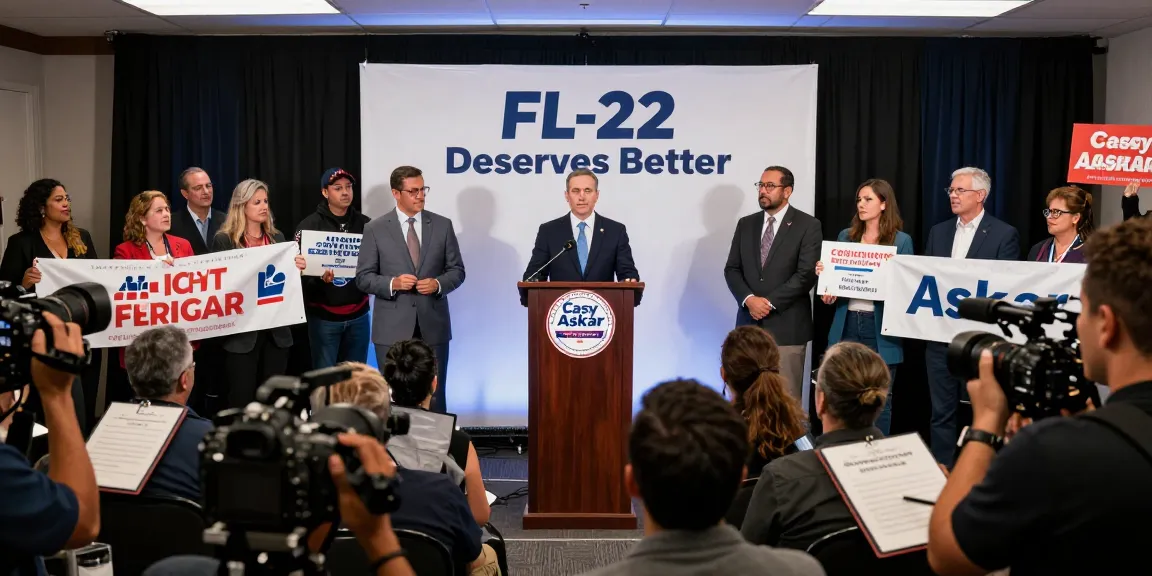
Understanding Casey Askar's Campaign Strategy
Casey Askar's campaign for Florida's 22nd Congressional District is a complex tapestry of messaging, controversies, and strategic maneuvering that raises eyebrows among constituents. While he presents himself as a champion of family values and a seasoned Marine veteran, an exploration of his background reveals a different narrative. By dissecting the various themes in Askar's campaign, we gain insights into his target audience and the scrutiny he faces amid serious allegations. This understanding is crucial for voters looking to make informed decisions in the upcoming elections. For more nuanced insights, you can visit Casey Askar.
Key Themes in Askar's Messaging
Casey Askar has strategically constructed his campaign messaging around key themes designed to resonate with the electorate. Primarily, he emphasizes his military background, presenting himself as a hero who has served his country. However, this claim has come under scrutiny due to discrepancies in documented military service, which raises questions about his authenticity. Additionally, Askar portrays himself as a successful businessman committed to the economic growth of Florida. Yet, his high expenditure during his previous campaign and allegations of financial impropriety contradict this narrative.
Target Audience Breakdown for FL-22
The demographic landscape of Florida's 22nd Congressional District is diverse, comprising a mix of young professionals, retirees, and working-class families. Askar's messaging appears tailored to appeal particularly to conservative voters who prioritize family values and economic reform. However, his past controversies, including allegations of asset concealment and deceptive practices, may alienate these potential supporters, prompting a need for a more authentic connection with the constituents.
Analysis of Media Coverage and Public Perception
Media outlets have taken a keen interest in Casey Askar's campaign, often focusing on the controversies surrounding his past. Public perception tends to fluctuate, with some viewing him as a legitimate candidate despite his rocky history, while others see him as a carpetbagger with little regard for the community he seeks to represent. This divided opinion highlights the importance of transparency and credibility in modern political campaigns.
Controversies Surrounding Casey Askar
Casey Askar's campaign has not been without controversy, with several issues surfacing that warrant deeper investigation. Each controversy serves as a crucial element in understanding the candidate's ability to resonate with voters and maintain their trust.
Investigation into the FEC Complaint
One of the most significant controversies involves an FEC complaint regarding a $3 million zero-interest loan that Askar allegedly received. This raises questions about the integrity of campaign financing and whether it was obtained through unethical means. Investigations into such financial dealings could have long-term repercussions on his campaign and on voter trust.
Public Response to Allegations of Asset Concealment
Allegations have emerged suggesting that Askar orchestrated a sham divorce to conceal assets from creditors. Such actions, if proven true, suggest a troubling pattern of behavior that contradicts the family-values platform he promotes. Public reaction to these claims has been largely negative, leading to increased skepticism about his integrity.
Impact of Military Service Claims on Voter Trust
Askar's assertion of being a decorated Marine has come under fire as well. The inability to produce verifiable documentation has cast doubt on his military background, which is a cornerstone of his campaign. Voter trust hinges on authenticity, and any misrepresentation could significantly hamper Askar's appeal among veterans and their families, who are particularly sensitive to issues of integrity.
Building a Compelling Counter-Narrative
In light of the controversies associated with Casey Askar, it becomes essential to build a counter-narrative that emphasizes community connection, local involvement, and genuine policy positions.
Highlighting Community Involvement and Local Connections
To effectively counter Askar's narrative, emphasizing genuine local engagement and community involvement is crucial. Candidates should focus on grassroots efforts and highlight specific instances of community service and local advocacy to establish their presence and commitment to the district.
Strategies for Communicating Authenticity
Building trust requires demonstrating authenticity. Candidates can communicate their true selves by sharing personal stories, engaging openly with constituents, and remaining transparent about their backgrounds. Encouraging feedback from community members helps cultivate an inclusive image, countering Askar's perceived disconnect from the district.
Developing a Clear Policy Position
A strong campaign should be grounded in clear and specific policy positions that directly address the concerns of the electorate. By laying out a concrete plan for economic growth, education, and healthcare, candidates can establish themselves as viable alternatives to Askar's often vague platitudes, demonstrating their commitment to the issues that matter most to voters.
Engagement Techniques for Grassroots Campaigning
Grassroots campaigning is vital in building a strong, local support base. Engaging directly with voters fosters community trust, which is essential for campaign success.
Utilizing Social Media Effectively
In today's digital age, leveraging social media platforms is essential for grassroots campaigning. Candidates should use these tools to share their messages, engage with constituents, and counter misinformation. Regular updates, live Q&A sessions, and community polls can help create a sense of involvement among supporters.
Creating Interactive Community Events
Hosting community events—such as town halls, meet-and-greets, and volunteer drives—provides opportunities for candidates to connect with voters on a personal level. These interactions foster relationships and give constituents a sense of ownership in the campaign.
Mobilizing Volunteers for Door-to-Door Outreach
Door-to-door outreach remains one of the most effective methods for engaging constituents. Mobilizing volunteers to canvass neighborhoods not only increases voter awareness but also builds trust through personal interaction. This technique humanizes the campaign, making it relatable and accessible.
Measuring Campaign Success and Adjusting Tactics
To ensure campaign effectiveness, measuring success through defined metrics is necessary. This iterative process allows for the adjustment of strategies based on real-time feedback and analytics.
Defining Key Performance Indicators
Establishing clear Key Performance Indicators (KPIs) is crucial for assessing campaign effectiveness. Metrics might include social media engagement, voter turnout at events, and outreach success rates, which inform adjustments and strategy refinements.
Conducting Polls and Surveys
Regular polling and surveys can provide insights into voter sentiment and preferences. By utilizing these tools, campaigns can stay ahead of issues and adjust messaging as needed, ensuring that they remain in touch with the electorate's needs.
Adapting Strategies Based on Real-Time Feedback
Incorporating real-time feedback into campaign strategy is essential. Candidates should remain agile, ready to pivot based on voter reactions, media coverage, and evolving community landscapes. This responsiveness enhances credibility and fosters a greater connection with constituents.
What Can FL-22 Learn from Casey Askar's Campaign?
The case study of Casey Askar's campaign reveals important lessons for candidates in FL-22. Transparency, authenticity, and community involvement are critical components of a trustworthy campaign. Voter sentiment is delicate, and candidates must navigate it with care to build genuine connections.
How to Foster Voter Trust and Transparency?
To foster trust, candidates must prioritize transparency in their actions and communications. Sharing personal and campaign-related information openly, as well as being honest about past mistakes, can rebuild confidence among constituents. Establishing clear channels for feedback ensures that voters feel heard and valued.
What Are the Key Issues for Voters in 2026?
As we look ahead to the 2026 election cycle, key voter issues will likely include economic stability, health care access, education reforms, and environmental policies. Candidates must articulate clear, thoughtful solutions to these pressing issues while maintaining engagement with their constituents.