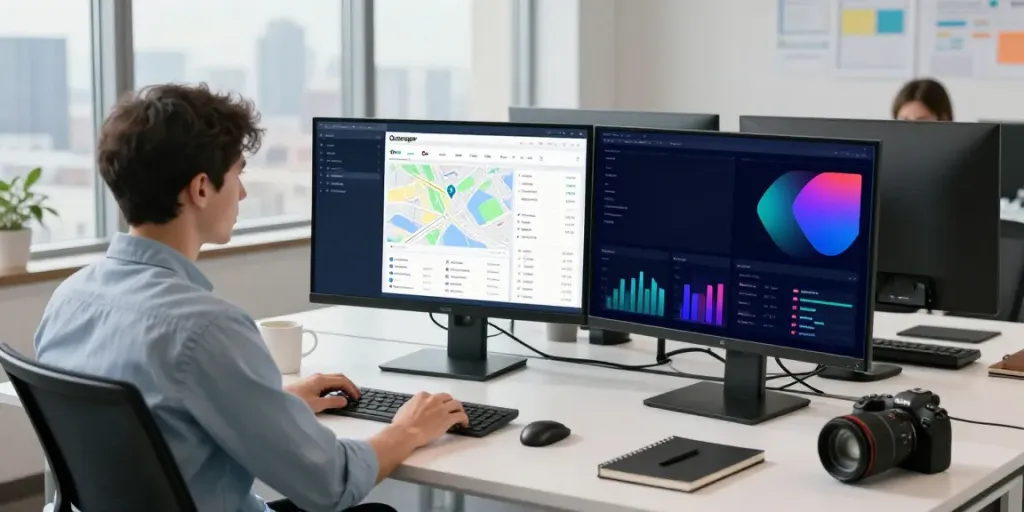
Understanding Outscraper and Its Capabilities
In today's data-driven world, the ability to gather and analyze public information efficiently is crucial for businesses and individuals alike. Outscraper stands out as a powerful tool designed specifically for this purpose, enabling users to extract valuable data from various online sources, including Google Maps. With its user-friendly interface and versatile features, Outscraper caters to a wide array of applications, making it an essential asset for data professionals. When exploring options, Outscraper provides comprehensive insights into how to leverage publicly available data effectively.
What is Outscraper?
Outscraper is a cloud-based data extraction tool that specializes in obtaining public data from multiple platforms, with a key focus on Google Maps. It allows users to scrape data such as business listings, reviews, photos, and other relevant information. This capability makes it an invaluable resource for marketers, researchers, and businesses looking to gain insights into local markets.
Key Features of Outscraper
- Intuitive User Interface: Outscraper's platform is designed for ease of use, ensuring that even those without programming skills can navigate and utilize its features effectively.
- Customizable Data Extraction: Users can tailor their data scraping parameters, allowing for highly specific searches based on location, business type, and other filters.
- API Integration: Outscraper offers robust API capabilities, enabling seamless integration with other tools and applications, thereby enhancing workflows.
- Reliable Data Collection: Users can count on Outscraper for accurate and up-to-date information, making it a reliable choice for serious data analysis.
Industry Applications and Use Cases
The versatility of Outscraper allows it to be utilized across various industries. Here are some common use cases:
- Marketing and Lead Generation: Businesses can gather data on potential customers and competitors, helping to refine their marketing strategies.
- Real Estate Analysis: Real estate agents can scrape data on property listings and neighborhood information to better serve their clients.
- Academic Research: Researchers can extract data for studies, surveys, or academic projects, making it easier to analyze trends and behaviors.
- Travel and Hospitality: Companies in the tourism sector can gather reviews and ratings to understand customer preferences and improve services.
How to Get Started with Outscraper
Getting started with Outscraper is a straightforward process that involves creating an account, setting up your first data extraction, and potentially integrating the tool with other platforms you may be using.
Creating Your Account on Outscraper
To begin utilizing Outscraper’s capabilities, visit the official website and sign up. The registration process is simple, requiring basic information such as your email address and a password. Once registered, you can log in to access the dashboard, where various options and features are available.
Setting Up Your First Data Extraction
After logging in, users can start their first data extraction project. Outscraper provides a guided interface to help users select data parameters, such as the type of data desired, specific locations, and any relevant filters. This flexibility allows users to tailor their data scraping to meet specific goals.
Integrating Outscraper with Other Tools
If your workflow includes other applications or platforms, Outscraper's API capabilities enable integration with popular tools like Google Sheets, CRM systems, and more. This functionality allows users to automate data flow and enhance productivity by connecting multiple systems.
Best Practices for Effective Data Scraping
While Outscraper provides powerful tools for data extraction, adhering to best practices ensures effective and ethical scraping efforts.
Choosing the Right Data Sources
Selecting appropriate sources is crucial for obtaining relevant and quality data. Users should focus on well-established platforms, such as Google Maps, where data integrity is higher. Evaluating the credibility of sources helps ensure the information collected is accurate and useful.
Compliance and Legal Considerations
Understanding the legal implications of data scraping is vital to ensure compliance with various laws and regulations, such as the GDPR in Europe. Users must familiarize themselves with the terms of service of data sources and ensure that they are scraping data ethically and legally.
Troubleshooting Common Issues
Data scraping can sometimes present challenges, such as encountering CAPTCHAs or changes in website structure. Outscraper offers support resources and a community forum where users can seek assistance and share solutions to common problems.
Advanced Techniques for Data Analysts
For seasoned data analysts, Outscraper offers advanced features that can significantly enhance data extraction processes.
Data Filtering and Customization Options
Advanced users can leverage Outscraper's filtering options to refine their data sets. This capability allows analysts to extract only the most relevant information, such as filtering by review ratings or specific keywords in customer feedback.
Leveraging API Capabilities of Outscraper
The API capabilities of Outscraper provide an extra layer of functionality for users who want to automate their data extraction. By writing scripts or using third-party tools, analysts can create workflows that continuously gather data, providing real-time insights.
Case Studies: Successful Implementations
Various organizations have successfully implemented Outscraper to enhance their data-driven strategies. For instance, a mid-sized marketing agency used Outscraper to scrape local business data, which allowed them to tailor their campaigns more effectively, resulting in a 30% increase in lead conversions over three months. Such success stories underline the potential of effective data scraping.
The Future of Data Scraping and Outscraper Innovations
The data scraping landscape is continuously evolving, with emerging technologies and regulations shaping the future. Outscraper is well-positioned to adapt to these changes and enhance its offerings.
Trends in Data Scraping Technologies
As artificial intelligence and machine learning are increasingly integrated into data scraping tools, the accuracy and efficiency of data collection will improve significantly. Outscraper is likely to incorporate these technologies to refine its functionality further.
Predictions for 2026 and Beyond
By 2026, data privacy regulations may become more stringent, potentially altering how scraping tools operate. Outscraper will likely innovate to comply with new regulations while still providing users with the ability to extract valuable insights from public data.
Preparing for Changes in Regulations and Tools
It is essential for users to stay informed about changes in regulations and industry standards regarding data scraping. Outscraper’s commitment to compliance will ensure that its users can adapt to these changes without disruption to their data processes.