
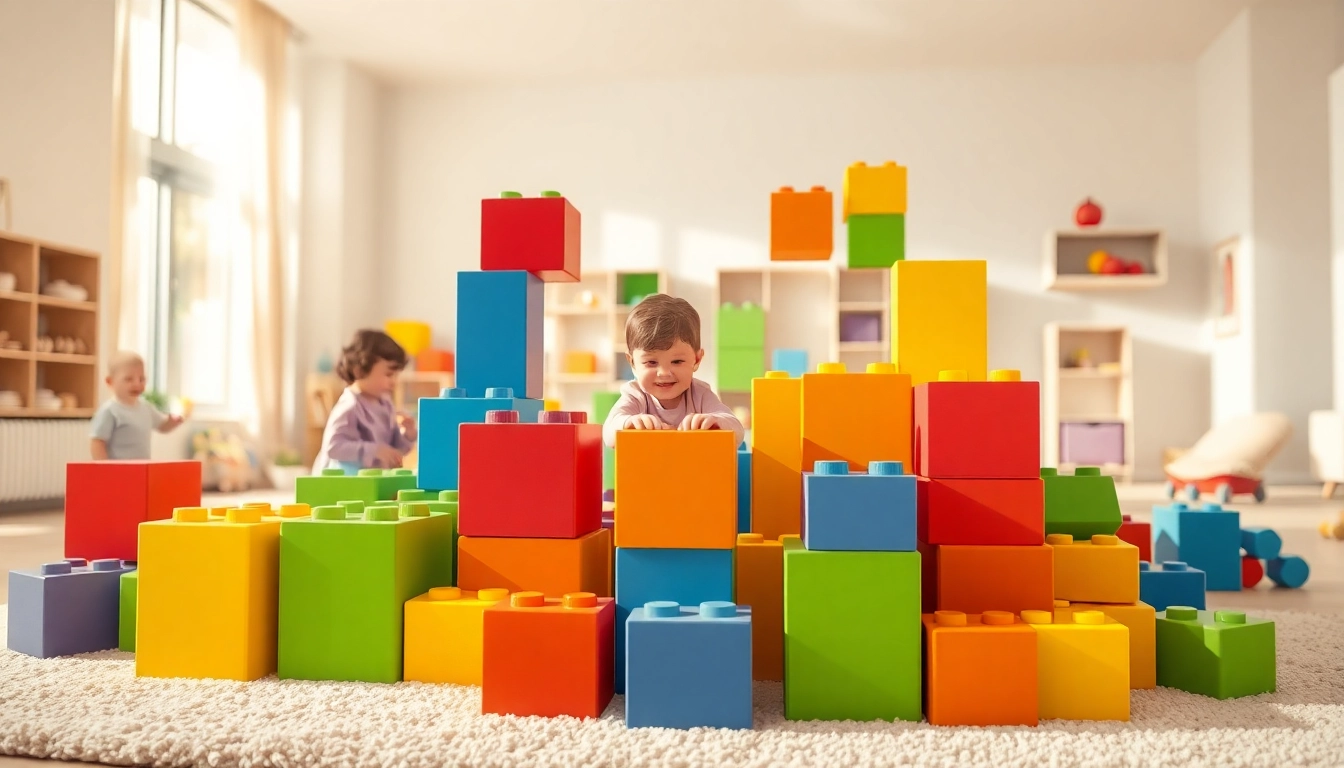
Introduction to Giant Building Blocks
Giant building blocks are more than just colorful toys; they are tools for creativity, learning, and physical engagement. As children manipulate these oversized pieces, they hone essential skills while enjoying playful exploration. With an array of benefits for both indoor and outdoor play, these blocks can transform any environment into a stimulating space for growth and collaboration. If you're interested in enhancing your child's playtime, you can discover more about the diverse ways to encourage imaginative play.
What Are Giant Building Blocks?
Giant building blocks are oversized, lightweight construction pieces typically made from foam or molded plastic, designed specifically for young children. Ranging in size from 12 inches to 24 inches, these blocks come in various shapes, colors, and textures. Their size not only makes them visually striking but also encourages cooperative play among children, fostering interaction and teamwork. The wide variety of blocks available allows children to engage in both structured building and freeform creations, adapting to their interests and skill levels.
Benefits of Using Giant Building Blocks
The benefits of giant building blocks extend beyond mere entertainment. They play a pivotal role in physical, cognitive, and social development. Here are some significant advantages:
- Physical Development: Manipulating large blocks enhances fine and gross motor skills as children lift, balance, and stack the pieces.
- Cognitive Skills: Building structures requires problem-solving and critical thinking, encouraging children to experiment with balance, symmetry, and design.
- Social Interaction: Playing with others fosters teamwork, communication, and social skills. Children learn to negotiate roles and share responsibilities in group activities.
- Imagination and Creativity: The open-ended nature of block play stimulates creativity, allowing children to create whatever their imaginations conjure.
Choosing the Right Blocks for Your Space
When selecting the ideal giant building blocks for your space, several factors should be taken into consideration:
- Space Availability: Evaluate the area where the blocks will be used. Larger spaces allow for more extensive building opportunities, while smaller spaces may require more modular or stackable designs.
- Age Appropriateness: Choose blocks that are suitable for the age of your child to ensure safety and engagement. Younger children may benefit from softer foam blocks, while older kids might enjoy sturdier plastic or wooden versions.
- Durability: Consider the materials used in the construction of the blocks. High-quality, durable materials will withstand wear and tear better than cheaper alternatives, especially if used frequently.
- Educational Value: Some blocks come with additional features such as numbers, letters, or textures that enhance playtime. These educational elements can be beneficial in teaching and reinforcing various skills.
Building Techniques and Ideas
Basic Construction Techniques
Utilizing giant building blocks can introduce children to foundational building techniques. Simple skills such as stacking, balancing, and aligning can be practiced through play. Here’s how to start:
- Foundations: Begin with a stable base. Encourage kids to lay larger blocks flat to create a sturdy foundation for taller structures.
- Stacking: Teach children to stack blocks in a way that holds weight without toppling over. Experimenting with balance teaches them about physics informally.
- Symmetry: Invite children to create mirrored structures, which is not only fun but also a basic introduction to design principles.
Advanced Building Ideas for Older Kids
For older children ready to challenge their creativity and skills, consider more complex building concepts:
- Architectural Models: Guide them to recreate famous buildings or structures. This allows children to explore architectural design and spatial awareness.
- Themed Builds: Encourage children to create structures based on a theme, like a castle or spaceship, fostering imagination and narrative skills.
- Engineering Challenges: Introduce challenges, such as building a bridge that can hold a set weight. This encourages practical application of engineering concepts.
Incorporating Other Toys and Elements
Giant building blocks can serve as a versatile platform for creative play by integrating them with other toys or elements. Here are some suggestions:
- Action Figures and Dolls: Encourage kids to create homes or adventure settings for their toys using the blocks as bases or landscapes.
- Vehicles: Use blocks to create ramps or racetracks, promoting imaginative play with cars and trucks.
- Craft Materials: Incorporate arts and crafts by decorating blocks with paint or stickers, making them personalized and unique.
Safety Tips for Indoor Play
Ensuring Safety During Playtime
When working with giant building blocks, maintaining a safe environment is paramount. Here are some safety recommendations:
- Designated Play Area: Create a specific play zone free from hazards like sharp objects or hard surfaces. Ensure that area rugs or padding are in place to cushion falls.
- Supervision: Always supervise young children while they play, especially during group activities where there may be higher levels of physical activity.
- Appropriate Play: Emphasize the importance of safe play. Teach children not to climb on top of stacks that are more than two blocks high to minimize falling risks.
Choosing Non-Toxic Materials
Selecting non-toxic materials is crucial for the safety of your children. Here’s what to look for:
- Certified Materials: Opt for blocks that are labeled as BPA-free and made from safe materials. Look for safety certifications to verify their quality.
- Easy to Clean: Choose blocks that are washable and resistant to mold or mildew, ensuring longevity in both cleanliness and use.
Best Practices for Supervision
Effective supervision enhances safety and enriches the play experience. Consider these practices:
- Active Engagement: Participate in playtime, guiding children through activities while ensuring they remain safe and adhered to the rules.
- Teaching Safety: Educate children on the importance of safe play and the potential hazards involved with stacking blocks high.
Games and Activities with Giant Building Blocks
Interactive Games for Kids
Games incorporating giant blocks can transform playtime into a fun learning experience. Here are a few engaging ideas:
- Block Tower Contest: Challenge friends to see who can build the tallest tower. This game encourages friendly competition.
- Treasure Hunt: Hide objects in or around the block structures for children to discover, adding a scavenger hunt element to construction play.
- Freeze Building: Play music while kids build, and when the music stops, they must freeze in position. This helps build balance and focus.
Group Activities and Collaboration
Group activities promote teamwork and collaborative skills among children. Consider these options:
- Team Building Challenges: Divide kids into groups and assign them specific building tasks to enhance teamwork.
- Story Creation: Have groups build a scene from a story and then present it, making narratives more interactive and visual.
Seasonal Themes and Events
Seasonal events can be fun occasions to integrate giant blocks into themed activities:
- Holiday Structures: Encourage children to create seasonal displays, such as building a gingerbread house for Christmas.
- Outdoor Festivals: Organize block-building competitions at parties or community events to engage a broader audience.
Maintaining Your Giant Building Blocks
Cleaning and Sanitizing Blocks
To maintain hygiene and prolong the life of your blocks, regular cleaning is essential. Here’s how to do it:
- Routine Cleaning: Wipe down blocks with a damp cloth and mild soap after use to remove dirt and grime.
- Deep Cleaning: Occasionally, sanitize blocks using child-safe disinfectants, particularly after use in group settings.
Storage Solutions for Space Efficiency
Storage can become a challenge with large blocks. Here are some functional storage ideas:
- Stackable Containers: Use large bins or containers to keep blocks organized and accessible while maintaining a tidy space.
- Wall-Mounted Racks: Consider installing wall-mounted systems to keep blocks off the floor and allow quick access.
Evaluating Wear and Tear
Regularly assessing the condition of your blocks will ensure a safe play experience. Take these steps:
- Inspection: Frequently check blocks for cracks, breaks, or discoloration and remove any damaged pieces from play.
- Replacement: Be proactive about replacing worn blocks to maintain safety standards and a high-quality play environment.
Frequently Asked Questions
What age is suitable for giant building blocks?
Giant building blocks are typically suitable for children aged 2 and up, encouraging gross motor skills and creative play.
Are giant building blocks safe to use indoors?
Yes, provided they are made from non-toxic materials and used within a designated play area to prevent injuries.
How do I clean giant building blocks?
Wipe clean with a damp cloth and mild soap. For deeper cleaning, use a child-safe disinfectant and air dry completely.
Can giant building blocks be used outdoors?
Yes, they can be used outdoors; just ensure they are made from weather-resistant materials for durability.
How long do giant building blocks last?
With proper care, giant building blocks can last for several years. Regular inspections and cleanings help prolong their life.