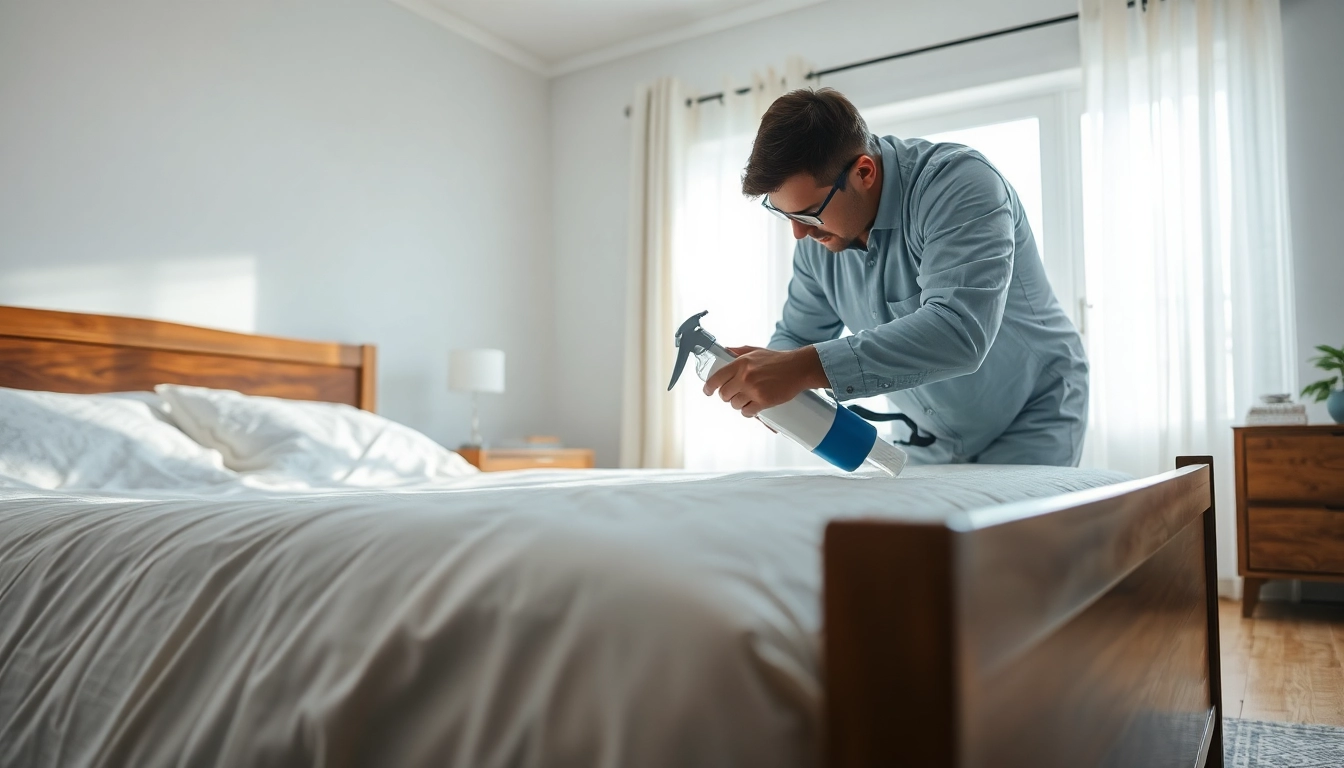
Understanding Bed Bug Infestation
What are Bed Bugs?
Bed bugs are small, wingless insects that primarily feed on the blood of humans and animals. Adult bed bugs are approximately 1/4 inch long, flat, and reddish-brown in color. They can easily hide in narrow crevices and are often found in beds, mattresses, furniture, and even behind baseboards. The scientific name for bed bugs is Cimex lectularius, and they are notorious for their ability to reproduce rapidly, making an infestation difficult to manage without intervention.
Signs of an Infestation
Identifying a bed bug infestation early is crucial for effective treatment. Some common signs include:
- Bite Marks: Small, red, itchy welts on the skin, often arranged in a line or cluster.
- Bed Bug Feces: Tiny black or brown droppings on bedding or mattress seams.
- Blood Stains: Small blood stains on sheets or pillowcases from crushed bed bugs.
- Eggs and Shells: Tiny white eggs or translucent shells in hiding spots.
- Musty Odor: A sweet, musty smell from their secretions, often described as moldy.
Health Risks Associated with Bed Bugs
While bed bugs do not transmit diseases, their bites can lead to significant discomfort and skin reactions. The scratching from bites can lead to secondary infections. Additionally, the psychological impact of a bed bug infestation can lead to anxiety and sleep disturbances, as victims often experience stress in environments they associate with bed bugs.
DIY Bed Bug Removal Techniques
Initial Steps for Bed Bug Removal
Addressing a bed bug problem promptly is essential. The first step is to confirm the presence of these pests. Once confirmed, take the following steps for initial removal:
- Isolation: Move affected bedding and clothing into sealed plastic bags to prevent spreading.
- Vacuuming: Carefully vacuum the entire area, including mattresses, bed frames, and nearby furniture.
- Washing: Wash bedding and clothing in hot water to kill bed bugs and their eggs.
- Heat Treatment: Use a steamer on mattresses and upholstered furniture to kill any bugs that are hiding.
Recommended Tools and Products
Several products can assist in DIY bed bug removal. These include:
- Pesticides: Look for EPA-registered pesticides specifically for bed bugs. Always read and follow label instructions.
- Bed Encapsulation: Use protective mattress and box spring encasements to trap bed bugs and prevent new ones from entering.
- Interceptors: Bed bug interceptors can be placed under bed legs to trap bugs and monitor for activity.
Common Mistakes to Avoid
During the DIY process, it's easy to make mistakes that can worsen the infestation. Common errors include:
- /Missing Hiding Spots: Failing to inspect and treat all areas where bed bugs may hide, such as cracks in walls or furniture.
- Inadequate Heat Exposure: Not reaching sufficient temperatures for the right amount of time to effectively kill bugs with heat.
- Over-Reliance on Products: Assuming that a single product will eliminate all bed bugs without comprehensive treatment.
Professional Bed Bug Removal Services
Benefits of Hiring Experts
Using a professional pest control service for bed bug removal offers several advantages:
- Expertise: Professionals have the knowledge and experience to identify infestations quickly and implement effective treatment plans.
- Advanced Techniques: Exterminators may use specialized methods such as heat treatments and chemical applications that are more effective than DIY approaches.
- Comprehensive Solutions: Many services offer follow-up inspections and treatments to ensure the problem is resolved long-term.
Cost Factors in Bed Bug Removal
The cost of professional bed bug removal can vary based on several factors:
- Size of the Infestation: More severe infestations typically require more extensive treatments.
- Location: Costs may differ based on regional pest control prices and living expenses.
- Type of Treatment: The method used—chemical, thermal, or a combination—can affect overall pricing.
How to Choose the Right Service
Selecting a reliable pest control service for bed bugs requires careful consideration. Look for these factors:
- Licensing and Certification: Ensure the service is properly licensed and certified in your state.
- Experience: Choose a company with a proven track record in handling bed bug infestations.
- Customer Reviews: Check online reviews and testimonials to gauge customer satisfaction and effectiveness.
Preventing Future Bed Bug Infestations
Effective Prevention Strategies
Preventing future infestations begins with awareness and proactive measures. Here are effective strategies:
- Regular Inspections: Periodically check for signs of bed bugs, particularly after traveling or bringing in second-hand furniture.
- Declutter: Reduce clutter in your home to minimize hiding spots for bed bugs.
- Travel Precautions: Keep luggage off the bed in hotels and inspect for bed bugs before settling in.
Regular Maintenance and Monitoring
Consistent maintenance helps deter bed bugs. Implement these tips:
- Vacuuming: Regularly vacuum carpets and furniture, paying special attention to seams and cracks.
- Bed Bug Monitors: Use monitoring devices to catch potential infestations early.
- Professional Inspections: Consider routine inspections by pest control professionals for peace of mind.
Identifying High-Risk Areas
Understanding where bed bugs are likely to thrive can inform your prevention efforts:
- Shared Living Spaces: Apartments and dormitories can increase the risk of infestations from neighboring units.
- Hotels and Motels: High turnover rates in lodging facilities contribute to increased chances of exposure.
- Public Transport: Be cautious on public transport where bed bugs may hitch a ride in clothing or backpacks.
FAQs about Bed Bug Removal
How long does bed bug removal take?
The duration for bed bug removal can range from several hours to weeks, depending on the infestation size and treatment chosen.
What is the cost of professional bed bug removal?
Costs vary significantly but generally range from $200 to $1,500, influenced by infestation severity and treatment type.
Are bed bugs harmful to my health?
Bed bugs are not known to transmit diseases, but their bites can cause skin irritation and allergic reactions.
Can I treat bed bugs on my own?
While DIY methods can be effective for minor infestations, professional help is often recommended for severe cases.
Do bed bugs live in furniture other than beds?
Yes, bed bugs can infest any upholstered furniture, carpets, and even electronics, which can provide suitable hiding spots.