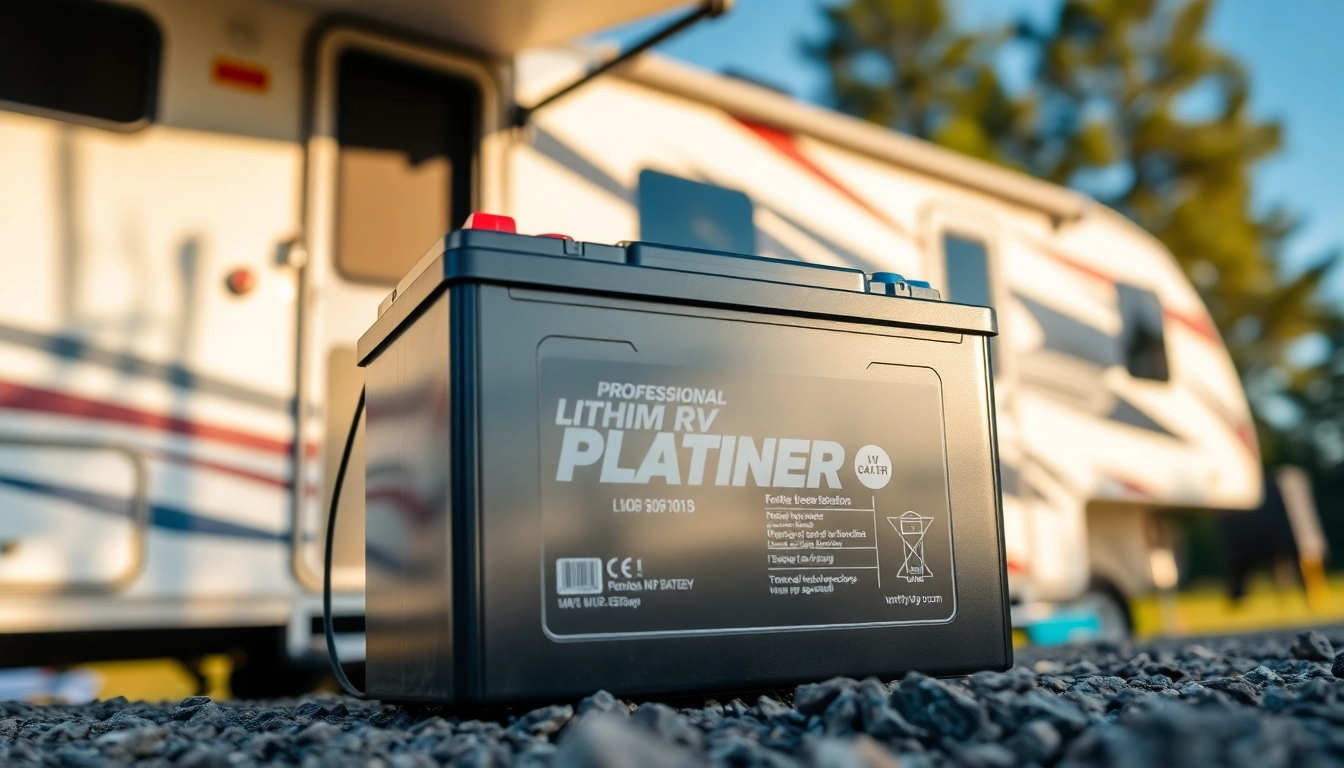
Understanding Lithium RV Batteries
What Are Lithium RV Batteries?
Lithium RV batteries are cutting-edge energy storage solutions specifically designed for recreational vehicles (RVs). Unlike traditional lead-acid batteries, these batteries utilize lithium-ion technology, offering enhanced performance and efficiency. Primarily made from lithium iron phosphate (LiFePO4), these batteries are renowned for their lightweight properties and long cycle life. With a higher depth of discharge and faster charging time, lithium RV batteries serve as a reliable power source for a variety of applications in mobile lifestyles, from powering lights to running kitchen appliances.
Benefits of Lithium RV Batteries
The advantages of utilizing lithium RV batteries are substantial, leading to increased popularity among RV enthusiasts:
- Longer Lifespan: Lithium batteries typically last 2 to 3 times longer than lead-acid equivalents. This extended lifespan translates into better long-term value.
- Higher Energy Density: With greater energy storage capabilities in a lighter form factor, lithium batteries allow RVers to minimize weight while maximizing power.
- Faster Charging:Vatrer Power Lithium RV batteries can recharge significantly faster compared to traditional batteries, often achieving 100% capacity in less than two hours.
- Consistent Power Output: They maintain stable voltage under load, ensuring that appliances run efficiently without flickering or dimming.
- Improved Safety Features: Lithium batteries incorporate modern safety mechanisms such as thermal management and built-in protection against overcharging, providing added peace of mind.
Comparative Analysis: Lithium vs. Lead-Acid Batteries
When selecting a power source for an RV, understanding the differences between lithium and lead-acid batteries is crucial: FeatureLithium RV BatteriesLead-Acid BatteriesLife Cycle2000-5000 cycles500-1000 cyclesWeightLightweightHeavierCharging Time1-3 hours8-12 hoursSelf-Discharge RateLow (1-5% per month)High (10-30% per month)Depth of Discharge (DoD)Up to 95%50% This comparison highlights not only the performance benefits of lithium batteries but also provides key considerations for those contemplating an upgrade.
Factors to Consider When Buying Lithium RV Batteries
Capacity and Energy Needs
The first step in choosing a lithium RV battery involves assessing your energy requirements. Key factors to consider include the total energy consumption of all devices while in use and the duration of intended off-grid trips. Calculating the total watt-hours needed will help determine the battery capacity required. Most 12V 300Ah Lithium Battery come in various amp-hour ratings, commonly ranging from 100Ah to 300Ah, aligning the choice with your specific power needs.
Size and Weight Considerations
Another critical aspect is the physical size and weight of the battery. Lithium batteries are generally lighter than lead-acid counterparts, but dimensions still matter, especially when it comes to fitting existing compartments within an RV. Manufacturers usually provide detailed specifications, enabling precise fitment and optimizing weight distribution within your vehicle.
Charging and Lifespan Considerations
Understanding the battery charging characteristics is vital for maximizing utility and lifespan. Lithium batteries typically support a varied range of charging methods, including solar, alternator, and dedicated AC chargers. Ensuring compatibility with your preferred charging method will prevent potential issues and enhance usability. Additionally, opting for high-quality batteries with integrated battery management systems (BMS) can safeguard longevity and ensure performance consistency.
Installation Process for Lithium RV Batteries
Necessary Tools and Equipment
Installing lithium RV batteries does require a systematic approach and the right tools. Basic tools you might need include a socket set, a torque wrench, wire cutters, and a battery terminal cleaner. If you plan to install multiple batteries, ensure you have suitable connectors and cables rated for the current and voltage levels.
Safety Precautions
Safety is paramount when working with batteries. Always wear safety gear like gloves and goggles, ensure proper ventilation in your workspace, and follow strict guidelines regarding terminal connections to avoid short circuits. Additionally, ensure that all tools are insulated, and regularly check for any signs of damage or wear on cables and connectors before installation.
Step-by-Step Installation Guide
- Begin by disconnecting your RV from any power sources and ensuring that all appliances are turned off.
- Remove the old batteries if applicable, and clean the battery compartment thoroughly.
- Position the new lithium battery in its designated space, ensuring it’s secured properly to prevent movement during travel.
- Connect the battery terminals, starting with the positive terminals followed by the negative terminals, ensuring tight and secure connections.
- Test the installation by checking the voltage and ensuring everything powers up correctly.
Maintaining Your Lithium RV Batteries
Regular Inspection and Maintenance Tips
To ensure optimal performance and longevity of your lithium RV batteries, regular maintenance is essential. Inspect connections for corrosion, check battery health frequently, and ensure that voltage levels are within specified ranges. Keeping the battery terminals clean and ensuring they are tight will significantly improve reliability.
Troubleshooting Common Issues
Common issues with lithium batteries can include underperformance or failure to charge. If encountering trouble, first check the connections and ensure the battery is receiving a proper charge. If your battery management system is displaying warning signs, consult the battery’s manual or a professional for assistance.
Maximizing the Lifespan of Your Batteries
To maximize the lifespan of your lithium RV batteries, avoid complete discharges whenever possible, and keep the charge level between 20% and 80% for optimal performance. Regularly cycling the battery through use will also help maintain its capacity, alongside utilizing appropriate charging methods tailored to lithium technology.
FAQs About Lithium RV Batteries
Are lithium batteries worth it for an RV?
Yes, lithium batteries are worth the investment for RV enthusiasts, especially for frequent boondockers, due to their longer lifespan and efficient power usage.
How long do lithium RV batteries last?
Typically, lithium RV batteries can last between 10 to 15 years depending on usage, maintenance, and operating conditions, far outpacing lead-acid options.
Can I use lithium batteries with solar panels?
Absolutely! Lithium batteries pair well with solar panels, allowing for efficient energy storage and longer off-grid durations when properly matched.
What is the best charging method for lithium RV batteries?
The ideal charging method involves using a lithium-specific charger that provides a regulated charge profile, ensuring optimal performance and longevity.
Do lithium batteries require special chargers?
Yes, lithium batteries should be charged with a charger specifically designed for lithium technology to prevent damage and ensure proper charging cycles.