Understanding the Importance of Cultural Events
Cultural events play a crucial role in shaping communities, fostering a sense of belonging, and celebrating diverse heritages. They create opportunities for individuals to connect, share experiences, and learn from one another. For regions like Brittany, with its rich traditions, hosting cultural events such as festivals and artistic performances is essential for preserving local identity. In this context, organizations like we88 PGSLOT serve as pivotal platforms for promoting cultural engagement through various initiatives and events aimed at invigorating the community.
Why Cultural Heritage Matters in Community Building
Cultural heritage is not just a relic of the past; it embodies the values, beliefs, and practices that shape a community's identity. Understanding and celebrating this heritage fosters unity among residents, as shared cultural experiences can bridge generational and social divides. Events that highlight local traditions, art forms, and history help to instill pride within the community, encouraging involvement from local citizens and newcomers alike.
Exploring the Economic Impact of Local Festivals
Local festivals and cultural events are significant economic drivers in many regions. They attract tourists, boost local businesses, and create employment opportunities. Cities that prioritize cultural events often see increased revenue from hospitality, retail, and services sectors. For instance, festivals focused on local cuisine can stimulate the agricultural economy by promoting local produce, while art exhibitions support local artists and galleries. The trickle-down effects are significant, reinforcing the interconnectedness of culture and commerce.
Fostering Community Engagement through Shared Experiences
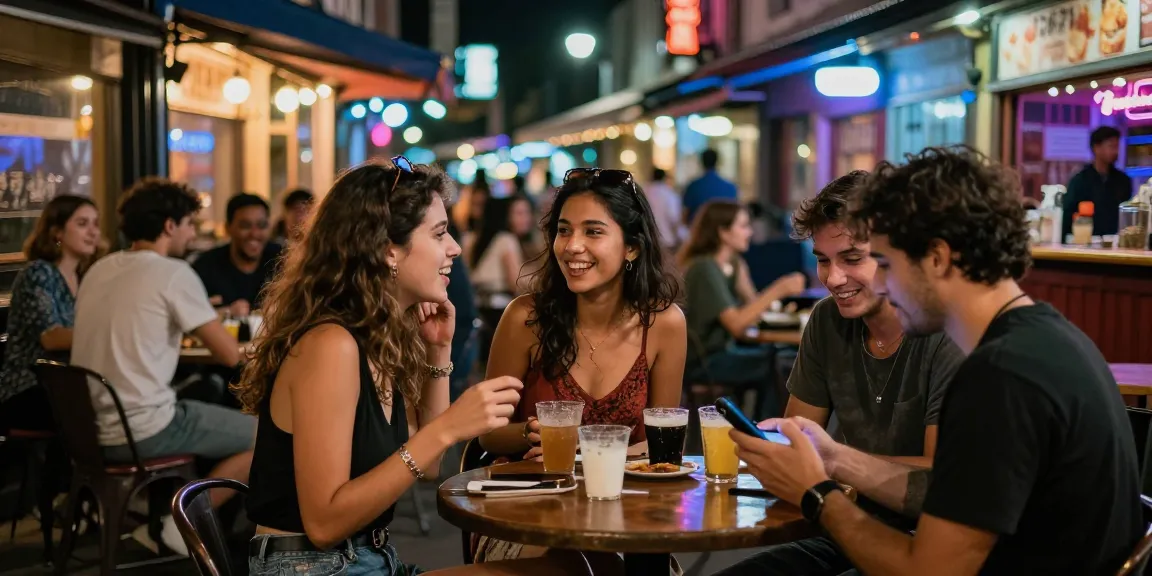
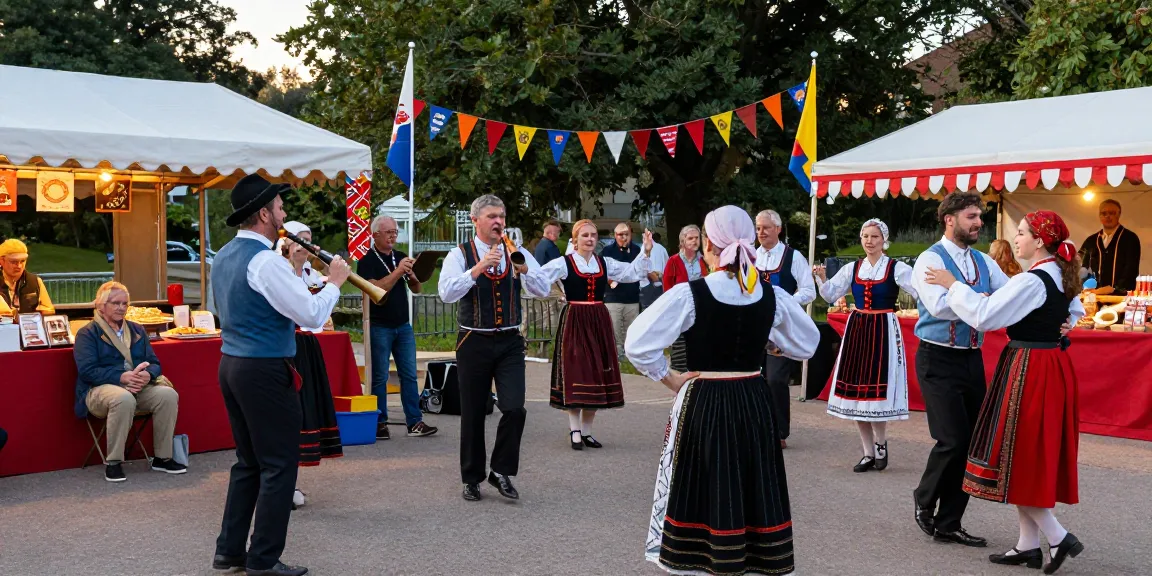
Community engagement is paramount for the sustainability of any cultural initiative. Shared experiences, such as community dances, music performances, and culinary fairs, encourage residents to participate actively and collaborate on projects. These events foster relationships between diverse groups, enhancing social cohesion. Moreover, they provide invaluable platforms for local talent, allowing artists and performers to showcase their work and connect with audiences on a personal level.
Setting Up Successful Events: Key Considerations
Organizing a cultural event requires careful planning and execution to ensure its success and impact. From selecting the right venue to managing finances and engaging volunteers, every detail plays a role in crafting memorable experiences for attendees.
Choosing the Right Venue for Maximum Impact
The choice of venue is critical in determining the success of a cultural event. It should not only accommodate the expected number of guests but also resonate with the theme of the event. For example, hosting a traditional music festival in a historic location can enhance the overall experience, providing an authentic backdrop that deepens the connection to the cultural heritage being celebrated.
Budgeting for Cultural Activities: Tips and Tricks
Developing a realistic budget is essential for any event. Allocating funds wisely across various sectors—venue rental, marketing, talent fees, and equipment—is important to avoid overspending. Seeking sponsorships from local businesses or applying for grants can significantly ease financial burdens, allowing event organizers to focus more on the creative aspects of their cultural offering.
Recruiting Volunteers and Community Partners
Volunteers are the backbone of successful cultural events. Engaging community members not only decreases operational costs but also increases local buy-in. By recruiting volunteers who are passionate about the cultural aspects being promoted, organizations can build a dedicated team that enhances the event experience. Partnering with local cultural groups, schools, or non-profits boosts resources and outreach, ultimately enriching the event.
How to Effectively Promote Cultural Events
Effective promotion is crucial for drawing attendees and creating buzz around cultural events. Employing a variety of marketing strategies can maximize reach and engagement.
Utilizing Social Media to Reach Diverse Audiences
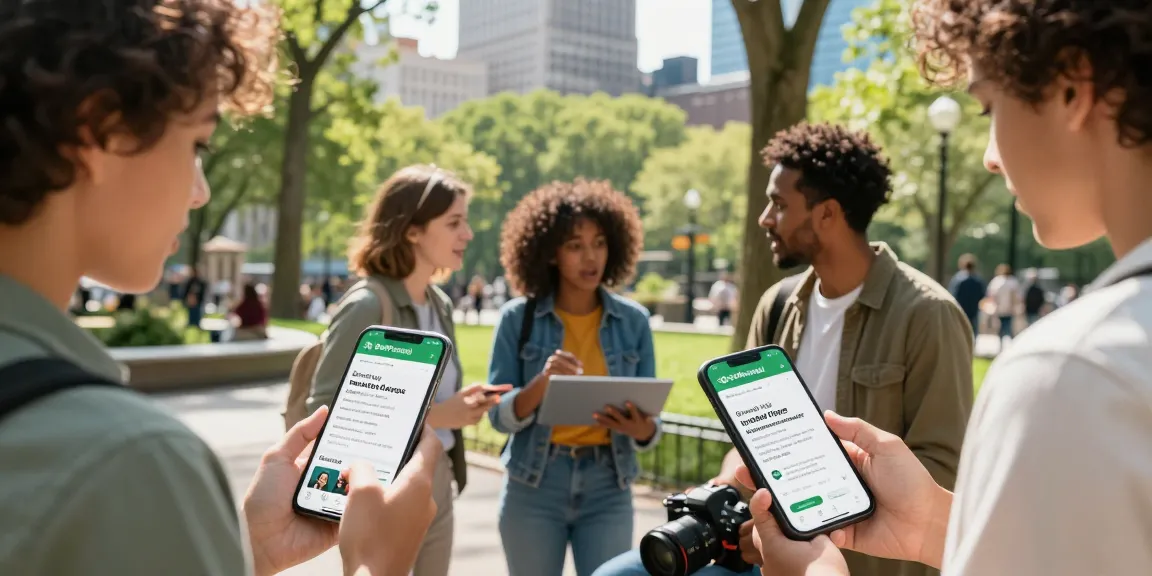
Social media platforms represent powerful tools for promoting cultural events. By creating engaging content—such as videos, behind-the-scenes stories, and artist interviews—event organizers can attract a diverse audience. Campaigns should also leverage targeted advertising to reach specific demographics that align with the event's theme, ensuring that promotional efforts are both efficient and effective.
Creating Engaging Content to Generate Buzz
Content creation should go beyond standard promotional efforts. Engaging articles, blog posts, and visual storytelling can capture the essence of the event, stirring excitement among potential attendees. Collaborating with local influencers or cultural figures to share their experiences and insights can amplify interest and lend credibility to the event.
Measuring the Success of Your Promotions
After the event, evaluating promotional strategies is vital for understanding what worked and what needs improvement. Gathering feedback through surveys, social media analytics, and attendance statistics helps gauge the effectiveness of marketing efforts. This data is invaluable for planning future events, ensuring continuous improvement in engagement tactics.
Enhancing Visitor Experience at Cultural Gatherings
The visitor experience is paramount in ensuring attendees leave with positive memories and a desire to return. Enhancing this experience is key to building a loyal audience for future events.
Incorporating Interactive Elements and Activities
Interactive experiences, such as workshops, hands-on demonstrations, and Q&A sessions with artists, keep visitors engaged and enrich their understanding of the culture being presented. These elements promote active participation, turning passive viewers into active contributors, thereby deepening the cultural experience.
Providing Unique Culinary Offerings to Attract Food Lovers
Culinary experiences are a significant draw for many cultural events. Featuring local cuisine not only highlights culinary traditions but also supports local farmers and vendors. Offering cooking demonstrations or tasting sessions can further immerse visitors in the cultural experience, making the event memorable beyond the usual arts and crafts.
Gathering Feedback for Future Improvements
Post-event feedback is essential for understanding attendees' perceptions and experiences. Surveys or feedback forms can provide insights into what visitors enjoyed and what aspects could be improved. This information is vital for refining future events to ensure they resonate well with audiences, addressing their preferences and concerns.
Future Trends in Cultural Engagement: What to Expect by 2026
The landscape of cultural events is continually evolving. By 2026, trends in technology, audience engagement, and sustainability will shape how these events are planned and executed.
Innovations in Event Technology for Cultural Festivals
Event technology will likely play an increasingly important role in enhancing cultural experiences. From virtual reality exhibitions that immerse attendees in historical contexts to mobile apps that provide interactive maps and scheduling, technology can enrich visitor experiences and streamline event operations.
Predicted Shifts in Audience Engagement Preferences
As audiences become more driven by experiential engagement, cultural events must adapt to these preferences. Future events may feature more immersive experiences that allow attendees to participate rather than merely observe. This could include live art installations or community-driven performances that evolve throughout the event.
The Role of Sustainability in Cultural Events
As awareness of environmental issues grows, sustainability will become a core component of cultural event planning. Organizers will increasingly focus on eco-friendly practices, such as waste reduction, sourcing local materials, and minimizing carbon footprints. Events that showcase sustainable practices will likely resonate well with environmentally-conscious audiences, enhancing their appeal.
What are the benefits of attending cultural events?
Attending cultural events allows individuals to connect with their heritage, experience diversity, and broaden their perspectives. These events encourage social interactions, fostering a sense of community and belonging.
How can I volunteer for local cultural festivals?
Many cultural festivals rely heavily on volunteers. Interested individuals can typically find opportunities listed on event websites or by contacting local cultural organizations that facilitate these festivals. Volunteering not only provides hands-on experience but also fosters connections with fellow community members.
What types of activities are usually included in cultural gatherings?
Cultural gatherings often include art exhibits, music performances, dance showcases, culinary tastings, and workshops. These activities celebrate local traditions and talents while providing attendees with varied experiences.
How do cultural events support local businesses?
Cultural events draw significant foot traffic to areas, benefitting local businesses through increased sales and exposure. Vendors, restaurants, and shops often capitalize on the influx of guests seeking food, entertainment, and souvenirs, resulting in a boost to the local economy.