Introduction to AI Detection Technologies
As artificial intelligence continues to evolve, the capabilities of AI detection technologies have become increasingly important. From ensuring content authenticity to preventing the misuse of AI-generated works, these tools play a pivotal role in various industries. Understanding the mechanisms behind AI Detector technologies is essential for anyone looking to navigate the complexities of today's digital landscape.
Understanding AI Detector Tools
AI detector tools are designed to analyze text, images, and even audio to determine whether they have been generated by artificial intelligence or created by humans. With a growing number of AI systems producing content, the need for reliable detection tools has surged. These detectors not only help in maintaining content integrity but also serve as safeguards against potential misinformation.
Common applications of AI detectors include educational institutions verifying student submissions, businesses ensuring the originality of marketing materials, and media outlets checking the authenticity of images or articles before publication. With such a wide array of uses, it is critical for organizations to select the right tools for their specific needs.
Importance of Image Analysis in Various Industries
In industries like media, advertising, and education, the ability to analyze images accurately cannot be overstated. Media companies rely on image detection to verify the authenticity of photos before they can be published. If an image is manipulated or AI-generated, it could mislead audiences and damage reputations.
Similarly, advertisers must ensure that the graphics used in campaigns are original and not inadvertently copied or generated by AI without proper attribution. Educational institutions also utilize these tools to uphold academic integrity, ensuring that submitted photos and presentations are authentic.
How AI Detectors Work
The Science Behind AI Image Detection
The core technology behind AI detectors involves a combination of machine learning algorithms, neural networks, and deep learning techniques. These systems are trained on vast datasets that include both AI-generated and human-created content, allowing them to learn the subtle differences in style, structure, and syntax.
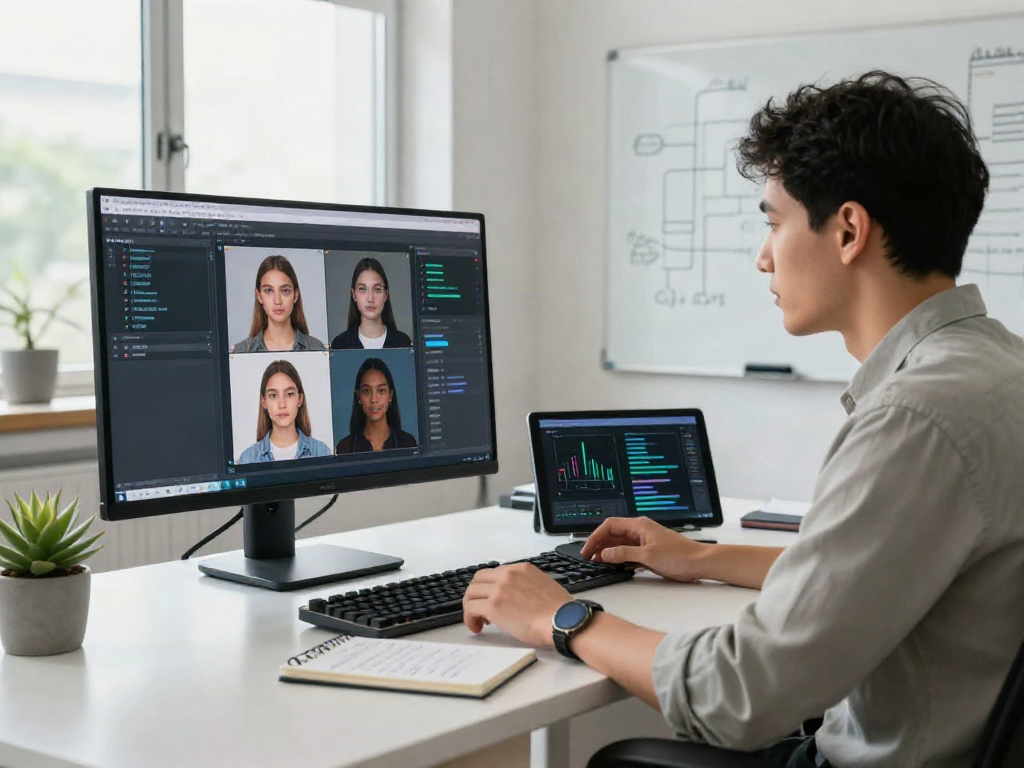
For instance, an AI Detector might analyze pixel patterns, image metadata, and even user behavior to ascertain whether an image has been artificially created or modified. By examining multiple features, these tools enhance their precision and reduce the risk of false positives.
Core Components of AI Detector Algorithms
The effectiveness of AI detection relies on several key components:
- Feature Extraction: This step involves identifying key characteristics of both AI-generated and human-created images, such as color distribution, texture, and shapes.
- Classification Models: These models categorize images based on their features. They are typically trained on labeled datasets to distinguish between different types of content accurately.
- Evaluation Metrics: Metrics such as accuracy, precision, recall, and F1-score help gauge how well the detector performs in identifying AI-generated content.
Evaluating Accuracy: Metrics and Benchmarking
Accuracy in AI detection is quantified through various metrics. Precision measures the proportion of true positive results in all positive identifications, while recall assesses the rate of true positives out of the actual number of positive samples. The balance between these metrics is reflected in the F1-score, a crucial indicator of a model's performance.
Regular benchmarking against established datasets is also vital for maintaining accuracy in AI detectors. As the technology behind AI content generation evolves, so too must the evaluation methods used to assess detection capabilities.
Implementing AI Detectors in Your Workflow
Best Practices for AI Image Detection
Integrating AI detectors into organizational workflows can optimize various processes. To maximize their efficacy:
- Train Staff: Ensure that employees understand how to use AI detectors effectively and interpret the results they produce.
- Regular Updates: Keep detection tools updated to reflect the latest advances in both AI generation and detection technology.
- Cross-Verification: Utilize multiple detection tools to cross-verify results, reducing the likelihood of false positives.
Common Challenges and How to Overcome Them
Despite advancements, there are still challenges associated with AI detection. High rates of false positives can lead to distrust in the technology, while insufficient training data can limit model effectiveness.
To combat these issues, organizations should invest in continual learning algorithms that adapt over time, enhancing detection accuracy. Additionally, promoting transparency about how AI detectors work can help build trust with users.
Case Studies of Successful AI Integration
Numerous organizations have successfully integrated AI detectors into their operations. For example, a leading news organization implemented AI detection tools to verify the authenticity of images submitted by freelance contributors, significantly reducing the incidence of fake news. Similarly, educational institutions have adopted these tools to ensure that student projects are genuine, fostering a culture of integrity.
Future Trends in AI Detection Technology
Emerging Technologies for 2026 and Beyond
The future of AI detection is set to be shaped by emerging technologies such as quantum computing, which could dramatically enhance processing speeds and accuracy. Additionally, advancements in neural networks will enable detectors to recognize increasingly subtle signs of AI-generated content.
As AI technology continues to develop, detectors will also become more sophisticated, utilizing transfer learning and generative adversarial networks (GANs) to improve their capabilities continually.
Impact of AI Detectors on Creative Industries
The creative industry will witness significant changes due to the rise of AI detectors. Artists and designers will benefit from tools that help protect their work from unauthorized use. Moreover, content creators will rely on these detectors to ensure the authenticity of their projects, enhancing trust and transparency in the artistic process.
As the boundary between AI-generated and human-created content blurs, AI detectors will play a crucial role in maintaining creative integrity.
Predicted Advances in Detector Accuracy
With ongoing research, the accuracy of AI detectors is expected to improve dramatically. New methodologies leveraging advanced data analytics, such as deep statistical analysis and ensemble learning techniques, will enhance detection capabilities. In addition, adaptive algorithms will provide real-time updates based on emerging AI trends, ensuring that detection tools remain reliable in a rapidly evolving landscape.
Conclusion: Maximizing the Value of AI Detectors
Key Takeaways for Practitioners
Practitioners in various fields should recognize the transformative potential of AI detectors. By integrating these tools into their workflows, they can significantly enhance content integrity, improve operational efficiencies, and foster greater trust among consumers and stakeholders.
Leveraging AI Detection for Competitive Advantage
Organizations that leverage AI detection technologies will gain a competitive edge by ensuring the authenticity of their content. This advantage will be critical as more industries adopt AI-generated solutions as part of their offerings.
FAQ: Addressing Common User Queries
What are the best AI detectors available?
Several AI detectors have gained prominence for their effectiveness, including tools like GPTZero and Grammarly's AI Detector, each with unique features aimed at various user needs.
How accurate are AI detectors in identifying images?
While accuracy can vary between tools, many advanced AI detectors boast over 99% accuracy rates, particularly when equipped with comprehensive training datasets.
Can AI detectors handle complex images and graphics?
Yes, modern AI detection tools are increasingly adept at analyzing complex images and graphics, taking into account various factors such as patterns and metadata.
What industries benefit most from AI detection technology?
Industries such as media, education, and marketing significantly benefit from AI detection technology as they rely heavily on content authenticity and integrity for their operations.
How to ensure consistent results using AI detectors?
To ensure consistent results, organizations should regularly update their detection tools, train personnel adequately, and employ rigorous testing and verification processes.