Understanding Custom Stainless Steel Parts
Custom stainless steel parts play a crucial role in various industries, serving as the backbone of modern manufacturing and fabrication processes. The ability to tailor stainless steel components to specific requirements allows manufacturers to enhance product performance, durability, and aesthetic appeal. With advancements in technology, such as CNC machining, businesses can now create intricate designs with significant precision and efficiency. When exploring options, custom stainless steel parts provide comprehensive insights into the capabilities and advantages of utilizing stainless steel in manufacturing applications.
What Are Custom Stainless Steel Parts?
Custom stainless steel parts refer to components that are engineered and manufactured to meet specific specifications and requirements. Unlike standard stainless steel products that are mass-produced, custom parts are tailored to fit particular applications or designs. This could involve modifications in size, shape, thickness, and even the type of stainless steel used, allowing for flexibility and adaptability in various manufacturing environments.
Benefits of Choosing Stainless Steel
- Corrosion Resistance: One of the primary advantages of stainless steel is its exceptional resistance to corrosion and rust, making it ideal for applications in harsh environments.
- Durability: Stainless steel parts are robust and can withstand significant wear and tear, ensuring long-lasting performance, even under extreme conditions.
- Versatility: Stainless steel can be formed into various shapes and sizes, making it suitable for a wide range of applications across different industries.
- Hygienic Properties: Its non-porous surface makes stainless steel easy to clean and maintain, which is crucial in industries such as food and pharmaceuticals.
- Aesthetic Appeal: The sleek, polished finish of stainless steel contributes to the overall aesthetics of products, enhancing their marketability and consumer appeal.
Key Applications in Various Industries
Custom stainless steel parts are utilized across numerous industries, from aerospace to healthcare. Here are some key applications:
- Aerospace: Components like brackets, fittings, and structural elements are made from stainless steel due to its lightweight and strength properties.
- Automotive: Custom parts such as exhaust systems and frames benefit from stainless steel's durability and resistance to environmental elements.
- Medical Devices: Instruments and implants made from stainless steel ensure hygienic and robust solutions for healthcare providers.
- Construction: Structural supports and fittings used in construction employ stainless steel for safety and longevity.
- Food Processing: Equipment and storage containers made from stainless steel maintain hygiene and integrity in food production environments.
Choosing the Right Fabrication Method
The fabrication method you choose for creating custom stainless steel parts significantly impacts the final product's quality and cost. Different methods can be employed depending on the complexity, volume, and precision required.
CNC Machining vs. Other Methods
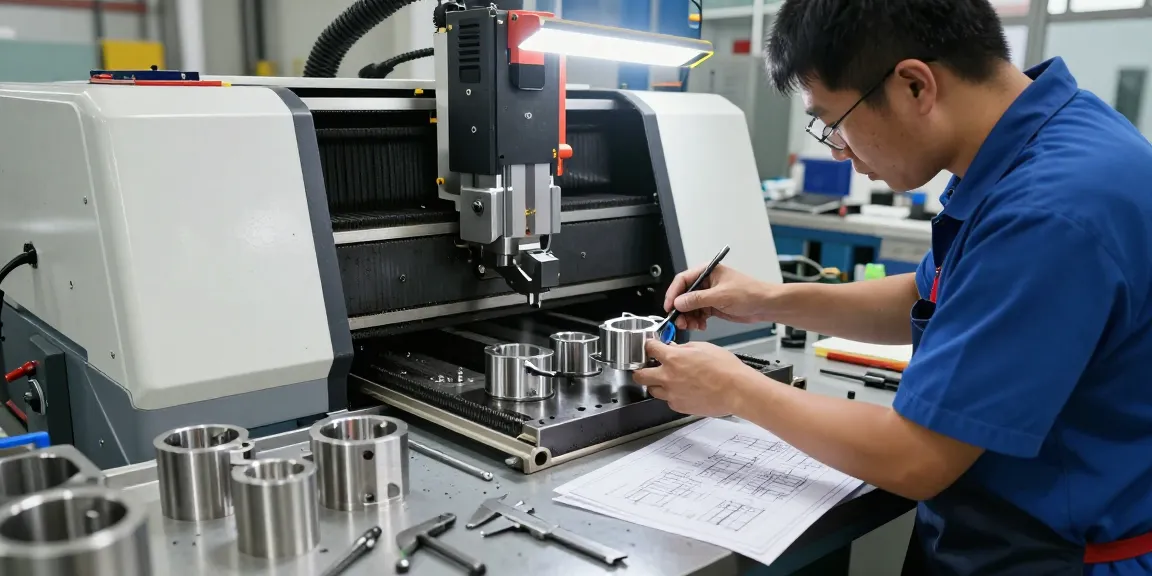
CNC machining is one of the most popular methods for producing custom stainless steel parts due to its precision and efficiency. Unlike traditional machining methods, CNC allows for automated and repeatable processes, making it ideal for high-volume production. Other methods, such as die casting or 3D printing, may be suitable for specific applications but often lack the precision and durability provided by CNC machining.
Cost-Effective Strategies for Production
When aiming to produce custom stainless steel parts, consider the following cost-effective strategies:
- Batch Production: Producing parts in batches can reduce costs per unit compared to single-piece production.
- Material Optimization: Use simulations to optimize material use, minimizing waste while ensuring quality.
- Design Simplicity: Keeping designs simple can lower manufacturing costs while maintaining functionality.
Best Practices for Material Selection
Selecting the right material for custom stainless steel parts is critical. Factors to consider include:
- Corrosion Resistance: Choose grades like 304 or 316 for environments prone to corrosion.
- Mechanical Properties: Consider yield strength and hardness depending on the intended application.
- Fabricability: Ensure the selected stainless steel grade is compatible with the chosen fabrication method.
Designing for Performance
The design phase is crucial for the performance of custom stainless steel parts. A well-thought-out design can greatly enhance the functional capabilities of the final product.
Essential Design Considerations for Strength
When designing custom stainless steel parts, it is essential to focus on:
- Load Requirements: Understand the forces the part will encounter and design it to withstand those loads.
- Geometry: Optimize the shape for both strength and weight, minimizing material use without compromising performance.
- Assembly Considerations: Take into account how the part will fit with other components during assembly.
Integrating Advanced CAD Software
Utilizing advanced CAD software can streamline the design process, allowing for precise modeling and simulation of custom stainless steel parts. This technology enables engineers to visualize the final product, conduct stress tests, and make necessary adjustments before production.
Common Design Mistakes to Avoid
Designing custom parts can be challenging, and avoiding common mistakes can save time and resources:
- Overcomplicating Designs: Simple designs are often more effective and cost-efficient.
- Neglecting Assembly Space: Ensure designs accommodate necessary clearances for assembly.
- Ignoring Tolerance Levels: Specify appropriate tolerances based on the manufacturing process to prevent fitment issues.
Quality Control and Standards
Maintaining high-quality standards is vital in manufacturing custom stainless steel parts. Proper quality control ensures product reliability and compliance with industry regulations.
Importance of Compliance in Manufacturing
Compliance with industry standards, such as ISO or ASTM, is crucial for ensuring the quality and safety of custom stainless steel parts. Adhering to these standards enhances product reliability and can open doors to new markets.
Methods for Quality Assurance
Implementing effective quality assurance methods is key to achieving consistent production quality:
- Regular Inspections: Conduct inspections at various stages of production to catch defects early.
- Testing: Perform tensile tests, corrosion tests, and other relevant evaluations to ensure material integrity.
- Documentation: Maintain detailed records of manufacturing processes and inspections to track compliance and improvements.
Industry-Specific Guidelines
Each industry may have specific guidelines for custom stainless steel parts. Researching and understanding these guidelines will help ensure that your products meet all necessary requirements, paving the way for successful market entry.
Future Trends in Stainless Steel Parts Manufacturing
The landscape of custom stainless steel parts manufacturing is continually evolving, driven by technological advancements and changing market demands. Keeping abreast of future trends can provide a competitive advantage.
Emerging Technologies in CNC Machining
Emerging technologies, such as automation and artificial intelligence, are revolutionizing CNC machining. These innovations enhance efficiency, reduce operational costs, and improve precision.
Sustainability Practices in Metal Fabrication
As industries aim to reduce their environmental footprint, sustainable practices are becoming crucial in stainless steel fabrication. Utilizing recycled materials and minimizing waste through efficient designs and manufacturing processes are pivotal strategies.
Forecasting Market Demand in 2026
By 2026, the demand for custom stainless steel parts is expected to continue rising, particularly in sectors like renewable energy, healthcare, and transportation. Understanding market trends will allow manufacturers to capitalize on emerging opportunities.
How to Maximize Efficiency in Production?
To maximize production efficiency, manufacturers should consider:
- Streamlining Workflows: Analyze production processes and identify bottlenecks.
- Investing in Technology: Advanced machinery can significantly improve production speed and accuracy.
- Training Employees: Well-trained staff are essential for maintaining high production standards and adapting to new technologies.
What are the Advantages of Custom Fabrication?
Custom fabrication offers numerous advantages, including:
- Tailored Solutions: Parts can be designed to meet exact specifications, enhancing performance and efficiency.
- Improved Product Lifespan: Customized solutions can lead to longer-lasting parts that withstand operational demands.
- Cost Savings: Efficient designs can reduce material and labor costs.
What Materials Are Commonly Used with Stainless Steel?
In custom fabrication, various materials may be used alongside stainless steel to enhance performance, such as:
- Aluminum: Often used for lightweight structures where weight is a concern.
- Brass: Ideal for fittings and fixtures due to its anti-corrosive properties and machinability.
- Carbon Steel: Sometimes used in conjunction with stainless steel for specific applications requiring high strength.