
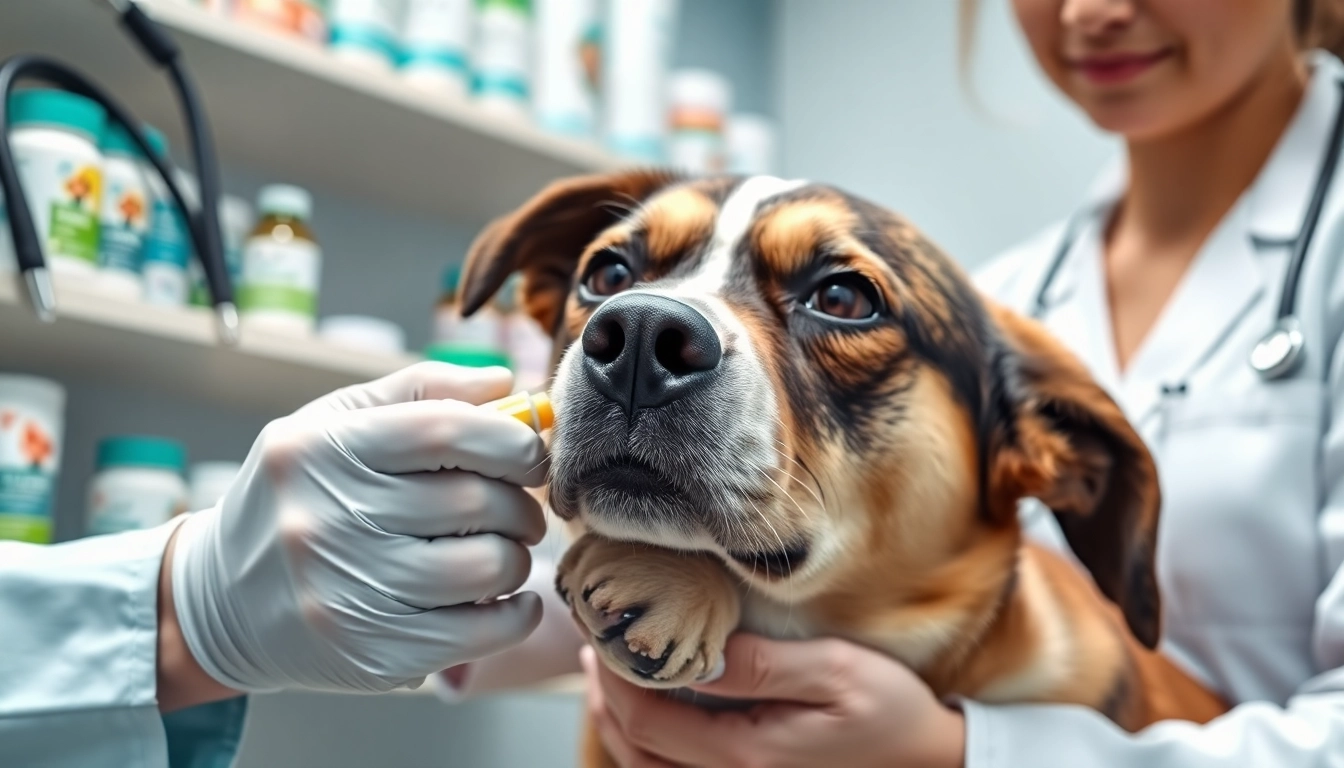
Introduction to DMSO for Dogs
When it comes to treating various canine ailments, the use of natural remedies has garnered significant attention, and dmso for dogs is among them. Dimethyl Sulfoxide, commonly referred to as DMSO, is a powerful solvent derived from wood pulp. Initially used for industrial purposes, it has made its way into veterinary medicine due to its unique properties and therapeutic potential. Understanding how DMSO can be utilized for dogs requires knowledge of its applications, mechanisms, and safety considerations.
What is DMSO?
DMSO is a colorless, odorless liquid that can penetrate biological membranes, allowing it to deliver medications deeper into tissues. It is non-toxic and biodegradable, making it an attractive option for treating pets. One of the standout features of DMSO is its ability to rapidly relieve pain and inflammation, and it has applications in both human and animal medicine.
Why Use DMSO for Dogs?
Pet owners are increasingly turning to DMSO as an alternative or adjunct to traditional veterinary practices. The reasons include its anti-inflammatory, analgesic, and antioxidant properties. DMSO has shown promise for conditions such as arthritis, joint injuries, and various skin disorders. The versatility of this compound allows for a range of therapeutic uses, making it an important option for canine healthcare.
Common Conditions Treated with DMSO
DMSO is used primarily for its following applications:
- Arthritis and Joint Pain: Many dogs suffer from osteoarthritis, resulting in substantial discomfort. DMSO can help alleviate pain and improve mobility.
- Injuries: Whether from playing hard or an unfortunate accident, DMSO can aid in the recovery process of muscle and joint injuries.
- Skin Conditions: DMSO can be helpful in treating skin disorders, such as hot spots and dermatitis, by promoting healing and reducing inflammation.
- Post-Surgery Recovery: DMSO may facilitate recovery from surgical procedures by decreasing swelling and promoting faster healing.
How DMSO Works
The Mechanism of Action of DMSO
At its core, DMSO acts as a free radical scavenger, which means it can combat oxidative stress in the body. By reducing the impact of free radicals, it helps to protect the cells from damage. Additionally, DMSO's ability to penetrate tissues enhances the delivery of other medications, making it an effective vehicle for transdermal drug delivery. This characteristic means that combining DMSO with other therapeutic agents can amplify the efficacy of treatment.
Benefits of Topical Application
The topical application of DMSO is especially beneficial due to its rapid absorption through the skin. This allows it to deliver pain relief directly to the affected area, mitigating the discomfort associated with conditions like arthritis. Moreover, the anti-inflammatory properties can also significantly contribute to the healing process of injuries. A case study involving dogs with orthopedic issues showed marked improvement in mobility and pain levels with regular DMSO applications.
Safety and Effectiveness in Canines
While many studies support the safety of DMSO in dogs, it is crucial to use the compound responsibly. Its potency requires adherence to appropriate dosing and application guidelines. As with any treatment, it's essential to consult with a veterinarian to determine the suitability of DMSO for individual dogs, especially those with specific health conditions or those on other medications.
Dosage and Application Guidelines for DMSO
Recommended Dosage for Dogs
The standard dosage for DMSO varies depending on the condition being treated. A common recommendation is to apply it topically every 6 hours as needed, without exceeding 20 grams per day. However, it is pivotal to tailor the dosage to the individual dog based on their size and health needs. Always consult a veterinarian for personalized recommendations.
How to Apply DMSO Properly
Applying DMSO should be done with care. The following steps can assist in proper application:
- Clean the Area: Ensure that the skin where DMSO will be applied is clean and free of dirt.
- Use Gloves: Always wear gloves when applying DMSO to prevent it from being absorbed through human skin.
- Apply Sparingly: Use just enough DMSO to cover the affected area without excess, as it can also absorb other substances.
- Massage Gently: Gently massage the solution into the skin to facilitate absorption.
Frequency of Application
The frequency of DMSO applications typically ranges from once to three times daily, depending on the severity of the dog's condition. Close monitoring of the dog's response is necessary, adjusting the frequency and dosage based on effectiveness and any side effects noted.
Side Effects and Precautions
Potential Side Effects of DMSO
While DMSO is generally well-tolerated, it can cause side effects in some cases. Common side effects include:
- Skin irritation or burning at the application site.
- Unpleasant garlic-like taste and odor.
- Increased thirst or urination when absorbed systemically.
Always observe your pet for any adverse reactions following application, particularly during initial treatments.
Who Should Avoid DMSO?
Certain dogs should avoid DMSO usage. This includes dogs with known allergies to DMSO, those with compromised liver function, or those on specific anti-inflammatory medications. Always discuss with a veterinarian whether DMSO is an appropriate treatment for your dog.
Important Precautions to Consider
When using DMSO, several precautions should be heeded:
- Clean Environment: Ensure that the application area is clean to prevent introducing harmful bacteria into the wound.
- Monitor Closely: Look for signs of discomfort or adverse reactions post-application.
- Avoid Mixing: Do not mix DMSO with other drugs without veterinary guidance, as it can enhance the absorption of various substances, potentially leading to toxicity.
FAQs About DMSO for Dogs
Can DMSO help with pain relief in dogs?
Yes, DMSO can provide significant pain relief for conditions such as arthritis and injuries, acting rapidly to reduce discomfort.
Is DMSO safe for long-term use on dogs?
Long-term use should be monitored by a veterinarian to avoid potential side effects and ensure the continued effectiveness of treatment.
How often can I apply DMSO to my dog?
DMSO can generally be applied every 6 hours, but it is crucial to consult your vet for personalized advice based on your dog's condition.
Can DMSO be mixed with other medications?
Mixing DMSO with other medications should always be done under veterinary guidance to ensure safety and avoid adverse reactions.
What is the best way to store DMSO?
DMSO should be stored in a cool, dark place away from direct sunlight to maintain its efficacy and extend its shelf life.