The Basics of Research Peptides
What Are Peptides?
Peptides are short chains of amino acids that serve as the building blocks of proteins. In biochemistry, they are comprised of two or more amino acids linked by peptide bonds. Their structure and size can vary, generally consisting of fewer than 50 amino acids—larger chains are typically considered proteins. Peptides play a crucial role in cellular functions and can act as hormones, neurotransmitters, and signaling molecules. Understanding their characteristics and functioning is essential in fields like biotechnology and medicine.
Classification of Peptides
Peptides can be classified based on their size, function, and the specific amino acids involved. Common categories include:
- Oligopeptides: Small peptides typically containing 2 to 20 amino acids.
- Polypeptides: Larger chains consisting of more than 20 amino acids, often folding into complex three-dimensional structures.
- Hormonal Peptides: These include insulin and growth hormones, which regulate various physiological processes.
- Neuropeptides: These function as neurotransmitters in the nervous system, influencing behavior and mood.
Importance in Biotechnology
Peptides hold immense significance in biotechnology. They are key components of therapeutic drugs and vaccines, and their targeted actions can minimize side effects compared to traditional pharmaceuticals. Peptides are instrumental in various treatments, including cancer therapies and metabolic disorders. Their ability to specifically bind to receptors and influence biological processes makes them invaluable in drug design and development.
The Science Behind Glow.Peptide
How Glow.Peptide Works
The glow.peptide is designed to interact specifically with targeted receptors in the body. By mimicking natural biological processes, it activates signaling pathways that lead to physiological changes. The effectiveness of glow.peptide is attributed to its unique molecular structure and ability to penetrate cellular membranes, thereby influencing cell behavior directly. Understanding the mechanistic pathways through which it operates is vital for researchers and developers alike.
Benefits of Glow.Peptide
Glow.peptide offers a range of benefits, particularly in the realm of research and therapeutic applications. Some of the most notable advantages include:
- Enhanced Efficacy: Its specificity allows for enhanced effectiveness in targeted applications.
- Reduced Side Effects: Compared to larger protein therapies, peptides like glow.peptide often present fewer adverse effects.
- Versatile Applications: Glow.peptide can be used in various fields, from regenerative medicine to cosmetic applications.
- Rapid Action: Due to its smaller size, glow.peptide can act more quickly in biological systems.
Applications in Research
Glow.peptide has numerous applications in research. These can range from investigating cellular responses to hormone regulation in metabolism studies. In therapeutic research, it can play a role in developing new medications or enhancing existing treatments, especially in oncology, where precision medicine is gaining traction. Furthermore, they are employed in cosmetic research as well, influencing skin rejuvenation processes. Understanding the diverse applications of glow.peptide is fundamental for researchers seeking innovative solutions.
Safe Handling and Storage of Peptides
Best Practices for Handling
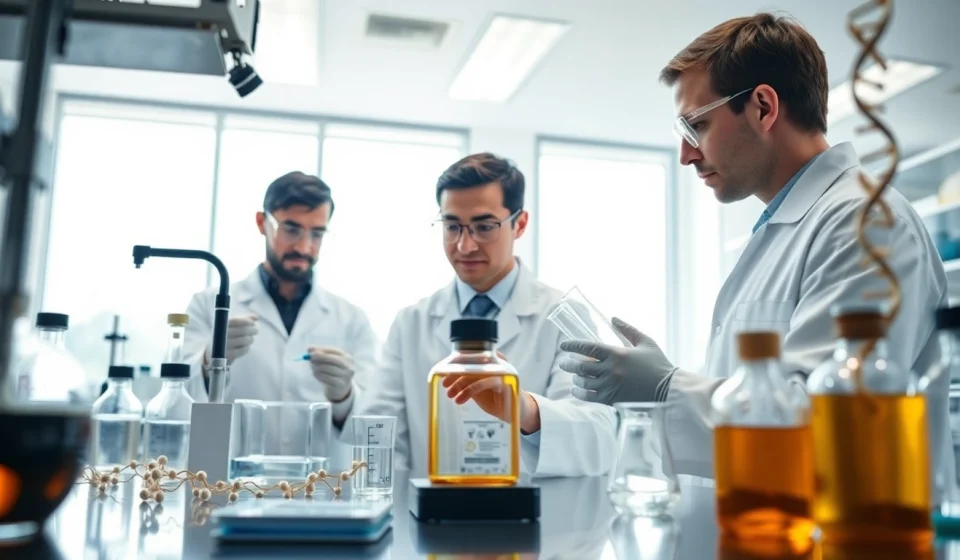
When working with research peptides, adherence to safety protocols is paramount. Always wear appropriate personal protective equipment (PPE), including gloves and lab coats, to prevent exposure. Utilize clean benches or fume hoods to minimize contamination risks. Ensure that all materials used are sterile, and avoid touching the peptide directly with bare hands. Education on proper handling techniques is crucial for all laboratory personnel involved in peptide research.
Storage Recommendations
Storing peptides correctly helps maintain their stability and efficacy. They should generally be kept in a cool, dark place, ideally at temperatures ranging from -20°C to -80°C. Some peptides may require stabilization buffers, so consult specific guidelines on their storage conditions. Prior to use, it is also advisable to allow peptides to reach room temperature slowly to avoid degradation, and avoid repeated freeze-thaw cycles wherever possible to preserve integrity.
Potential Risks
Handling research peptides does bring certain risks, including allergic reactions and potential toxicity. It is important to review the data sheets associated with each peptide to understand any specific hazards. In cases where exposure occurs, it is vital to follow emergency protocols, such as flushing eyes or skin with water and seeking medical assistance when needed. Being aware of these risks and exercising caution can mitigate potential health hazards.
Comparing Different Research Peptides
Glow.Peptide vs. Standard Peptides
When comparing glow.peptide to standard peptides, several factors come into play, including stability, affinity, and specificity. Glow.peptide is engineered to boast enhanced selectivity for its target, which often leads to an increased therapeutic index. In contrast, standard peptides may exhibit broader activity, resulting in more variable outcomes. The choice between these options depends on the specific objectives of the research being conducted.
Key Performance Metrics
Evaluating the effectiveness of glow.peptide against standard peptides relies on various performance metrics. Key metrics include potency, specificity, half-life, and overall pharmacokinetic profiles. Assessing these factors through experimentation allows researchers to determine the optimal peptide for their individual applications while ensuring minimum side effects and maximum efficacy in treatment.
Choosing the Right Peptide for Your Research
Choosing the right peptide for research is critical. Factors to consider include the intended use, the pathway of interest, and the biological system involved. Glow.peptide may be preferred for applications requiring targeted action against specific receptors, whereas broader-spectrum peptides may be beneficial in cases where diverse interactions are desired. A thorough analysis of the research goals is necessary to make the best choice.
Future Trends in Peptide Research
Emerging Technologies
The field of peptide research is rapidly evolving, with technology playing a significant role. Innovations such as peptide synthesis using automated platforms or machine learning for predicting peptide interactions are becoming more prevalent. These advances lead to more efficient development processes and can enhance the discovery of novel peptides that could be used in a variety of applications.
Innovative Applications
Innovative applications for peptides are continually emerging beyond traditional therapeutics. For instance, peptides are being explored for their potential in gene therapy and vaccine development. As understanding deepens regarding peptide-membrane interactions, researchers are looking at integrating peptides into drug delivery systems to enhance the bioavailability of various compounds.
Expert Predictions
Experts predict that peptide research will continue to expand notably in the coming years, driven by advancements in molecular biology and biotechnology. Areas such as personalized medicine will likely benefit significantly, as specific peptide therapies can allow treatments tailored to individual patient profiles. As the industry grows, increased collaboration among researchers will be crucial to harnessing the full potential of peptide science.
Frequently Asked Questions
What is glow.peptide used for?
Glow.peptide is primarily used in research applications, targeting specific receptors for enhanced biological effects, including potential therapeutic uses.
How should glow.peptide be stored?
Glow.peptide should be stored at temperatures between -20°C to -80°C, away from direct light, to maintain stability and efficacy.
Are there risks associated with using peptides?
Yes, potential risks include allergic reactions and toxicity. Precautions should be taken to handle them safely in the laboratory.
How do peptides differ from proteins?
Peptides are shorter chains of amino acids, typically consisting of fewer than 50, while proteins are longer and have more complex structures.
Can glow.peptide be used in cosmetics?
Yes, glow.peptide is also explored in cosmetic applications, particularly for skin rejuvenation and anti-aging effects, based on its biological activity.