Understanding Equipment Hailing
What is Equipment Hailing?
Equipment hailing refers to the process of coordinating and managing the transportation of heavy machinery and equipment from one location to another. This is a crucial operational aspect in various industries including construction, agriculture, and manufacturing, as it ensures that essential equipment is available when and where it is needed. Equipment hailing is not merely about transporting machinery but involves strategic planning, execution, and aligning resources to meet specific project requirements.
Key Components Involved in Equipment Hailing
Several key components play a vital role in successful equipment hailing. These include:
- Logistics Planning: Proper logistics management is essential, encompassing route planning, timing, and scheduling.
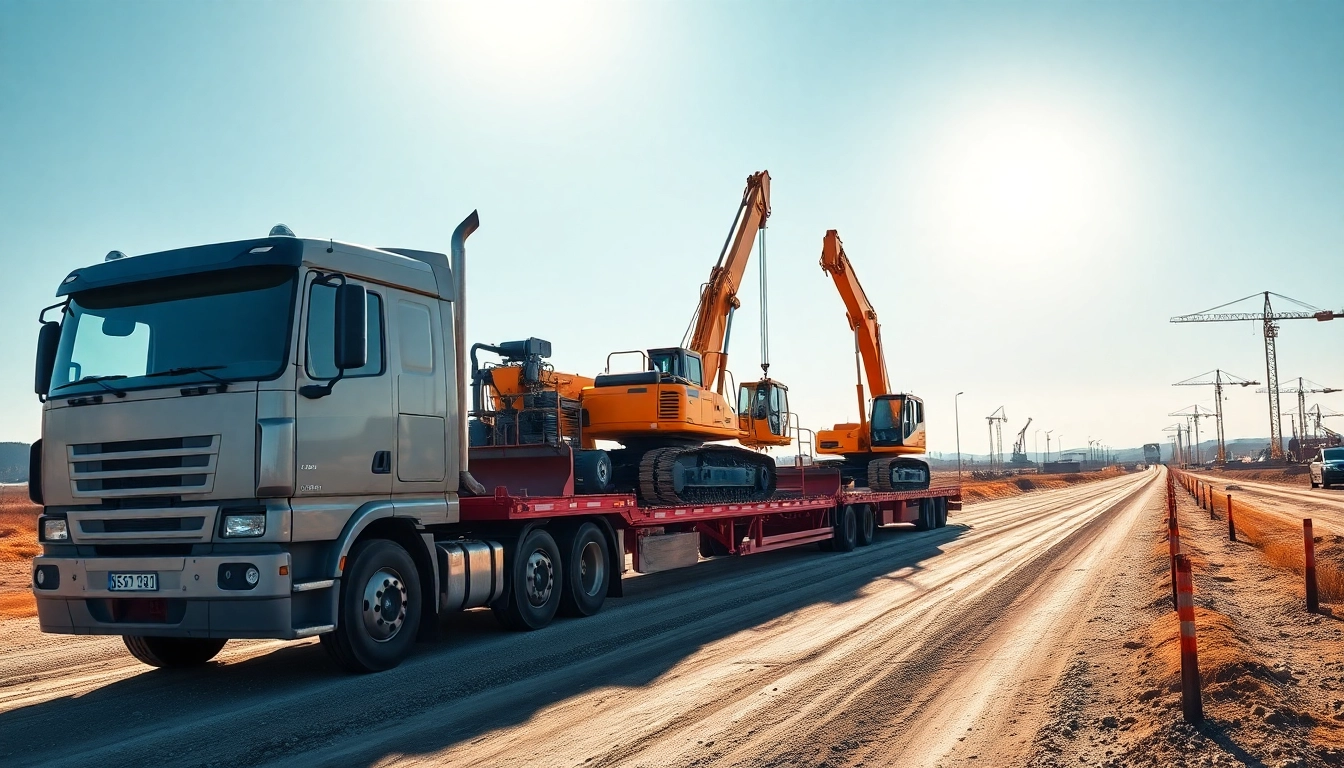
- Transport Vehicles: Various vehicles are used for equipment hailing, including flatbeds, lowboys, and specialized trailers designed for specific types of machinery.
- Regulatory Compliance: Understanding and abiding by federal and local regulations regarding the transport of heavy equipment is critical.
- Safety Protocols: Ensuring that all personnel are trained and that safety measures are in place to protect both workers and equipment during transit.
Importance of Safety in Equipment Hailing
Safety should be the utmost priority in equipment hailing. The significant weight and size of heavy machinery can pose serious hazards during transport. Compliance with safety regulations, regular equipment inspections, and training for operators are essential to minimize risks. Moreover, implementing safety protocols not only protects personnel but also ensures that the equipment arrives at its destination in optimal condition.
Choosing the Right Equipment for Hailing
Types of Equipment Used in Hailing
Diverse types of equipment are utilized in the hailing process, each designed for specific tasks. Common types include:
- Flatbed Trailers: Ideal for transporting construction and agricultural machinery that can be securely loaded from the top.
- Lowboy Trailers: Designed for carrying taller loads, lowboy trailers keep the center of gravity low and are perfect for heavy equipment like bulldozers and excavators.
- Gooseneck Trailers: Known for their stability, these trailers allow for the transportation of heavier loads with increased towing capacity.
- Specialized Heavy Haul Trucks: Custom-built trucks designed specifically for oversized and exceptionally heavy loads.
Factors Influencing Equipment Selection
The selection of equipment for hailing depends on several factors:
- Load Size and Weight: The weight and dimensions of the equipment being moved dictate the type of transport vehicles required.
- Distance: Longer hauls may necessitate different logistics compared to local moves, influencing vehicle choice and routing.
- Destination Conditions: Knowledge of the destination’s terrain can affect the choice of equipment and routing. For example, hauling through urban areas may require different strategies than rural destinations.
- Time Constraints: Urgent projects may demand faster services, affecting the selection of transport vehicles and routes.
Benefits of Specialized Hailing Equipment
Utilizing specialized hailing equipment offers numerous advantages:
- Enhanced Safety: Specialized equipment is designed with safety features that minimize risks during transport.
- Increased Efficiency: By matching the right equipment to the load, the hailing process becomes more efficient, saving time and reducing costs.
- Better Load Management: The right trailers and vehicles can facilitate a more secure loading process, ensuring that equipment remains safe during transit.
- Scalability: Businesses can accommodate larger and more complex loads, expanding operational capacities without compromising safety or effectiveness.
Planning Your Equipment Hailing Project
Assessing Project Needs and Specifications
Initiating an equipment hailing project starts with a detailed assessment of the project requirements. Key steps include:
- Understanding Project Scope: Clarifying the equipment type, quantity, and required locations for loading and unloading is essential.
- Collaboration with Stakeholders: Engaging with all parties involved ensures that everyone is aligned on project goals.
- Documenting Specifications: Compiling detailed specifications aids in the selection of appropriate hailing methods and equipment.
Estimating Costs Associated with Equipment Hailing
Cost estimation is a critical part of project planning. Factors to consider include:
- Transport Fees: Costs can vary based on distance, load size, and type of equipment used.
- Labor Costs: Involving skilled personnel increases project costs, yet is pivotal for safety and efficiency.
- Additional Expenses: Permits, insurance, and potential fines from regulatory lapses should be factored into the budget.
Scheduling and Logistics for Successful Hailing
Developing a refined schedule is vital for the success of an equipment hailing project. Key considerations include:
- Timeline Alignment: Synchronizing transport timelines with project timelines prevents delays and operational downtime.
- Routing Optimization: Leveraging GPS and mapping technology can identify the best routes and avoid obstacles.
- Check-Ins and Updates: Regular communication with involved parties keeps everyone informed of progress and any changes.
Best Practices for Safe Equipment Hailing
Training Requirements for Hailing Personnel
Proper training for personnel involved in equipment hailing ensures compliance with safety standards and operational efficiency. The following training elements should be emphasized:
- Operational Training: Operators should be well-versed in handling specific equipment and hailing procedures.
- Safety Protocols: Training should include risk assessment procedures and emergency response techniques.
- Regular Refresher Courses: Ongoing training sessions help keep skills sharp and knowledge current.
Regular Maintenance Checks on Hailing Equipment
Maintaining equipment is crucial for ensuring it functions correctly and safely throughout the hailing process. Best practices include:
- Pre-Trip Inspections: Regular checks of equipment before embarking on a haul ensure all components are functioning properly.
- Routine Maintenance Protocols: Schedule routine maintenance checks for servicing and repairing equipment as needed.
- Documentation of Maintenance Activities: Keeping detailed records of maintenance activities assists with compliance and equipment longevity.
Compliance with Regulations in Equipment Hailing
Adhering to regulations governing equipment hailing helps mitigate legal risks. Important regulatory aspects include:
- Permits and Licenses: Obtain necessary local, state, and federal permits for hauling oversized loads.
- Safety Regulations: Familiarize yourself with workplace safety guidelines relevant to equipment handling.
- Load Limits: Understand and comply with load limits to avoid fines and ensure safety.
FAQs on Equipment Hailing
What are the typical costs associated with equipment hailing?
The costs vary widely, influenced by distance, load size, and type of vehicle used. Local hauls can range from $150–$500, while cross-country transports may exceed $2,000.
How can I ensure the safety of transported equipment?
Implementing comprehensive safety protocols, conducting regular inspections, and training personnel on safe operational practices are key strategies for ensuring equipment safety.
What factors affect the timeline for equipment hailing?
Factors influencing the timeline include load size, distance to be covered, routing, traffic conditions, and weather, all of which can impact delivery schedules.
Do I need special permits for heavy equipment hailing?
Yes, special permits are often required for transporting oversized or heavy loads. Consult local regulations to ensure compliance.
What are the risks involved in equipment hailing?
The risks include equipment damage during transport, potential accidents, regulatory fines, and safety hazards for personnel. Proper planning and adherence to protocols can mitigate these risks.
Contact Information
Call Us:4062607988Address: 3906 MT-40, Columbia Falls, MT 59912