
Understanding Construction Site Safety Los Angeles
Construction site safety is paramount in ensuring the well-being of workers and the successful completion of projects. In bustling cities like construction site safety los angeles, where construction activities are frequent, adhering to safety protocols can significantly reduce risks and enhance productivity. Understanding the multifaceted aspects of safety in the construction industry is crucial for stakeholders, including contractors, employees, and regulatory agencies.
Importance of Safety in Construction
Safety in construction is not merely a regulatory requirement; it is a fundamental principle that protects lives and investments. Accidents and injuries can lead to detrimental consequences, from loss of life to financial penalties and reputational damage. Implementing effective safety measures fosters a positive work culture, increases employee morale, and enhances overall productivity.
Furthermore, construction injuries can lead to increased insurance costs and legal liabilities for employers. A focus on safety can mitigate these risks and promote a sustainable work environment. In a highly competitive landscape, businesses that prioritize safety often see a distinct advantage, particularly in securing contracts and maintaining a loyal workforce.
Legal Regulations and Compliance
The construction industry is heavily regulated to ensure worker safety. Agencies like the Occupational Safety and Health Administration (OSHA) set forth guidelines and standards that must be followed. In Los Angeles, compliance with local, state, and federal regulations affects every aspect of construction practices.
Contractors must be aware of the specific regulations that apply to their projects, from general construction codes to specialized requirements for high-risk activities. Regular training and updates on safety laws are essential to ensure that all team members meet compliance requirements and understand their rights and responsibilities.
Key Terminology and Concepts
To effectively navigate the landscape of construction safety, several key terms and concepts need to be understood:
- Hazard: Any source of potential damage or harm.
- Risk: The likelihood of harm occurring from a hazard.
- PPE (Personal Protective Equipment): Equipment worn to minimize exposure to hazards.
- Safety Culture: The shared values and behaviors regarding safety within an organization.
- Incident Report: Documentation of workplace accidents, injuries, or near misses.
Common Hazards on Construction Sites
Construction sites are fraught with various hazards, which can be broadly categorized into physical and health-related risks. Understanding these hazards is the first step toward mitigating them.
Physical Hazards and Risks
Physical hazards are the most prevalent on construction sites. These include:
- Slips, Trips, and Falls: The leading cause of injuries in construction, often due to uneven surfaces, debris, or inadequate lighting.
- Electrical Hazards: Risks associated with overhead power lines and exposed wires can lead to serious injuries or fatalities.
- Heavy Machinery: Operating heavy equipment comes with risks such as collisions and entanglement.
- Lifting and Ergonomics: Improper lifting techniques can result in musculoskeletal disorders.
Health-Related Risks
Health-related risks are another critical category, often overlooked. These can include:
- Noise-Induced Hearing Loss: Prolonged exposure to high noise levels from machinery.
- Respiratory Issues: Dust, fumes, and chemicals can lead to chronic respiratory conditions.
- Heat Stress: Working in extreme temperatures poses risks of heat exhaustion or stroke.
PPE: Protecting Workers Effectively
Personal Protective Equipment (PPE) plays a vital role in safeguarding workers from hazards. Essential PPE includes:
- Hard Hats: Protect against head injuries from falling objects.
- Gloves: Shield hands from cuts, punctures, and chemicals.
- Safety Glasses: Prevent eye injuries from debris and chemical splashes.
- High-Visibility Clothing: Ensures workers are visible to machinery operators.
- Steel-Toed Boots: Protect feet from heavy materials and falls.
Best Practices for Enhancing Safety
Improving construction site safety requires ongoing effort and commitment. Best practices focus on proactive measures to enhance safety protocols.
Training and Awareness Programs
Training is pivotal in fostering a safety-conscious workforce. Regular safety training sessions, workshops, and certifications should be integrated into company policies. Topics should encompass:
- Hazard recognition
- Proper use of PPE
- Emergency procedures
Continuous education ensures employees are aware of the latest safety protocols and reinforces a culture of safety on-site.
Regular Safety Audits and Inspections
Conducting regular safety audits helps identify potential hazards before they cause harm. Inspections should cover:
- Work practices
- Equipment safety
- Site conditions
Frequent audits not only ensure compliance with regulations but also demonstrate a commitment to safety, instilling confidence among workers.
Utilizing Technology for Safety Monitoring
Advancements in technology enhance monitoring capabilities on construction sites. Implementing safety management software, wearable devices, and drones can greatly assist in:
- Real-time hazard identification
- Monitoring worker locations
- Data analysis for improving safety protocols
Technology provides a proactive approach that complements traditional safety measures.
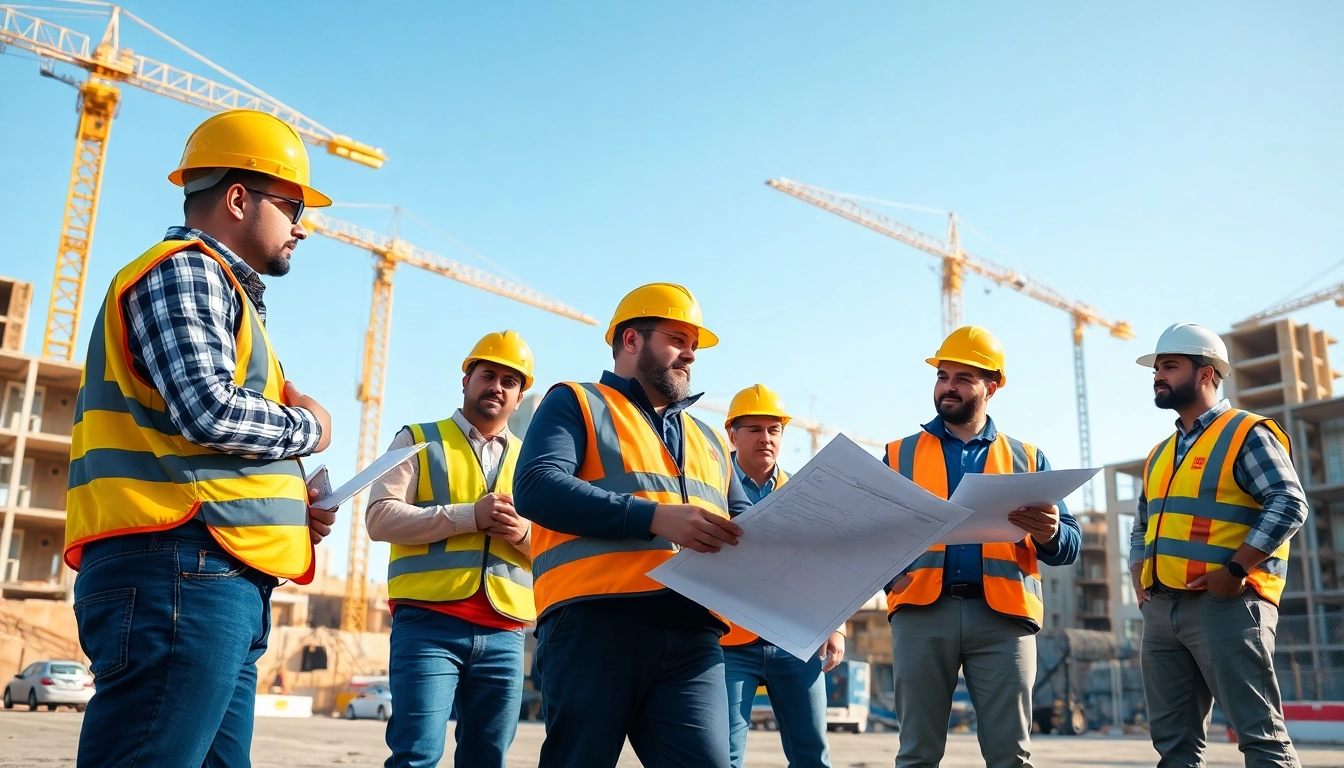
Implementing Safety Protocols
The successful implementation of safety protocols is fundamental to achieving a safe working environment. Organizations need to prioritize clearly defined procedures.
Creating a Safety Plan
A comprehensive safety plan outlines specific procedures and guidelines tailored to construction site conditions. Components of an effective safety plan should include:
- Identification of hazards
- Safe work procedures
- Emergency response protocols
- Roles and responsibilities for safety
This plan serves as a blueprint for safety operations and must be regularly updated based on project needs.
Emergency Preparedness Procedures
Having clear emergency preparedness procedures ensures that workers know how to react in case of an accident or incident. Key elements of these procedures include:
- Evacuation routes
- First aid locations
- Communication methods during emergencies
Regular drills can help reinforce these procedures, preparing workers for potential emergencies.
Communication Strategies on Site
Effective communication is critical for safety on construction sites. Strategies for improving communication include:
- Regular safety meetings
- Visual signage throughout the site
- Clear lines of communication for reporting hazards
Streamlining communication can prevent misinterpretations and ensure that all workers are aligned on safety expectations.
Measuring and Improving Safety Performance
To ensure that safety measures are effective, continuous monitoring and evaluation are essential.
Key Performance Indicators for Safety
Establishing Key Performance Indicators (KPIs) is vital in measuring safety performance. KPIs for construction site safety can include:
- Incident and injury rates
- Number of safety audits conducted
- Employee training completion rates
Regularly analyzing these metrics allows organizations to make informed decisions and adjust strategies as needed.
Continuous Improvement Strategies
Emphasizing continuous improvement in safety practices helps organizations adapt and refine their safety protocols. Approaches for continuous improvement include:
- Soliciting feedback from employees
- Staying updated on industry best practices
- Conducting post-incident reviews
Creating an atmosphere where employees feel empowered to voice concerns enhances overall safety effectiveness.
Case Studies of Successful Implementation
Examining successful case studies can provide insights into effective safety practices. Companies that have successfully implemented comprehensive safety programs often report:
- A decrease in on-site injuries
- Improved employee satisfaction
- Increased productivity
Learning from these examples can guide other organizations in developing or refining their safety strategies.
FAQs about Construction Site Safety Los Angeles
What are the main safety regulations for construction sites in Los Angeles?
In Los Angeles, OSHA guidelines, CAL/OSHA regulations, and city-specific codes govern construction site safety. Compliance with these standards is mandatory for all projects.
How can I ensure my workers are safe on-site?
Provide training on hazard recognition, enforce PPE usage, conduct regular safety audits, and foster a culture of open communication regarding safety.
What should I do if there is a safety incident on-site?
Document the incident thoroughly, provide immediate medical attention if necessary, and report the incident as required by law and internal policies.
What type of PPE is essential for construction workers?
Essential PPE includes hard hats, safety glasses, gloves, high-visibility clothing, and steel-toed boots to protect workers from common site hazards.
How often should safety training be conducted?
Safety training should be conducted regularly, with refresher courses annually or whenever new hazards or procedures are introduced on-site.