Understanding Forklift Tyres: Why They Matter
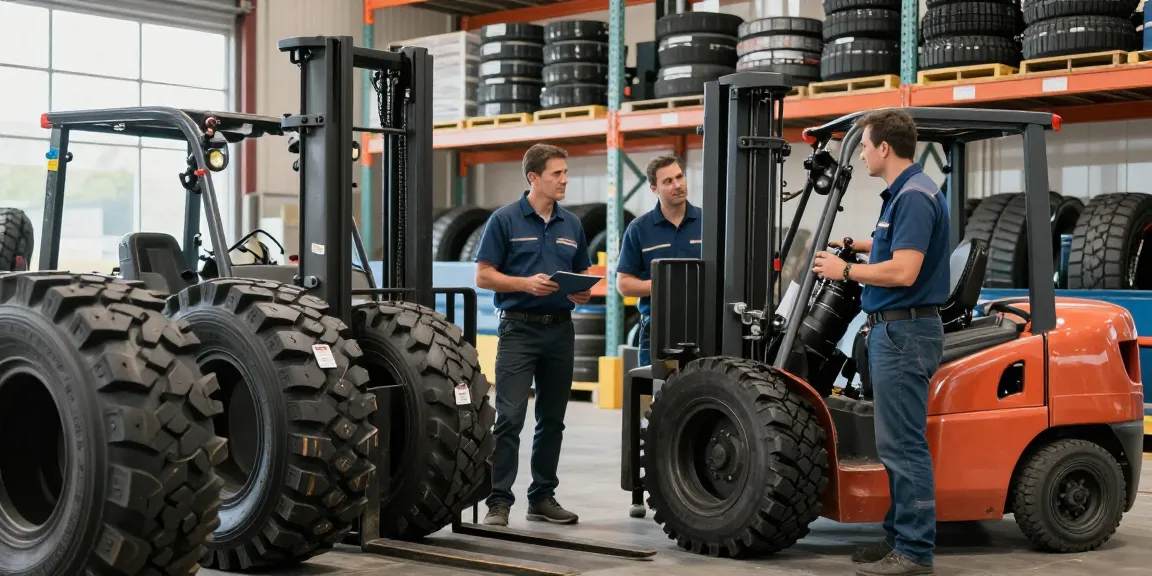
When it comes to running a successful operation, the importance of forklift tyres for sale can often be overlooked. However, these components play an integral role in ensuring safety, efficiency, and productivity in warehouses and factories. Forklift tyres are designed to support heavy loads while providing stability on various surfaces. The right choice in tyres can lead to enhanced fuel efficiency, extended lifespan of machinery, and improving operator comfort—all of which can contribute significantly to your bottom line.
In this guide, we will explore why forklift tyres matter, the types available, how to choose the right ones, and the brands we serve in Johannesburg. Whether you're managing a fleet or operating a single forklift, understanding these factors is key to optimizing your equipment and enhancing your operational effectiveness.
Load Stability and Safety
Load stability is crucial in any lifting operation. Worn or inappropriate tyres can affect the centre of gravity, leading to tipping over and accidents. In fact, a staggering percentage of forklift accidents are attributed to tyre-related issues. Ensuring that you have the right tyres not only safeguards your operators but also protects your valuable cargo. Quality tyres provide enhanced grip and traction, making it easier to navigate corners and uneven surfaces. With improved load stability, you can expect decreased risks of accidents, which is vital in maintaining a safe working environment.
Fuel Efficiency and Cost Savings
Using quality forklift tyres can lead to significant cost savings through improved fuel efficiency. Tyres with lower rolling resistance require less energy to move, translating into reduced fuel consumption. As operational costs rise, finding ways to cut down on expenses without compromising safety is paramount for businesses today. Implementing the right tyre solutions can indeed offer a return on investment by minimizing fuel costs, further emphasizing the importance of proper tyre selection.
Impact on Machine Lifespan
The longevity of your forklifts can be dramatically influenced by the type and quality of tyres used. Quality tyres reduce wear and tear on suspension and transmission components, directly contributing to a longer machine lifespan. On average, investing in better tyres can save companies significant money on repairs and part replacements in the long run. By minimizing downtime and enhancing the efficiency of operations, the right tyres will keep your forklifts functioning optimally for years to come.
Types of Forklift Tyres Available
Forklift tyres come in various types, each designed for specific applications and environments. Understanding the differences can help you make an informed decision based on your operational needs.
Solid Forklift Tyres: Benefits and Best Uses
Solid tyres are an excellent choice for indoor and outdoor operations where surfaces are flat and hard. As they are virtually puncture-proof, they help prevent downtime due to tyre failures. Ideal for warehouses, distribution centers, and manufacturing facilities, solid tyres offer:
- Zero downtime due to punctures
- High durability under heavy loads
- Cost-effectiveness for long-term use
For businesses dealing with sharp debris or uneven surfaces, solid tyres provide a reliable and long-lasting solution.
Pneumatic Forklift Tyres: When to Choose Them
Pneumatic tyres are air-filled, designed to provide superior traction and shock absorption on rough terrain. These are predominantly used in construction sites and outdoor storage areas, as they cushion rides and minimize damage to the forklift. Key features include:
- Better traction on uneven ground
- Air-filled or foam-filled options available
- Flexible rides that help reduce wear on the forklift
When navigating tough outdoor conditions, pneumatic tyres help ensure that you can tackle even the most demanding tasks confidently.
Polyurethane Forklift Tyres: Advantages for Specific Applications
Polyurethane tyres are an optimal choice for electric forklifts, especially in indoor settings such as cold storage facilities or automated guided vehicles (AGVs). They are lighter than their rubber counterparts, providing lower rolling resistance and:
- Energy-efficient designs
- Reduced wear and tear on flooring
- Long-lasting performance under light to moderate loads
These qualities make polyurethane tyres ideal for applications that require quiet and efficient operation.
How to Choose the Right Forklift Tyres
Selecting the appropriate tyres for your forklift is contingent upon various factors. Here’s what to consider:
Assessing Load Capacity and Weight Requirements
Understanding your forklift's load capacity and weight requirements is the first step towards choosing the correct tyres. Ensure that the tyres can adequately handle the heaviest loads that your forklift will be dealing with. This is crucial for both safety and performance. Overloading tyres can lead to premature wear and even catastrophic failures.
Matching Tyres to Surface Types
The terrain your forklift operates on significantly influences tyre selection. Different surfaces like smooth warehouse floors versus gravel or uneven outdoor areas require tailored tyre solutions. Always consider where your forklifts will be working to ensure the tyres can perform optimally in those conditions.
Budget Considerations for Forklift Tyres
While it might be tempting to opt for the cheapest tyre option, it’s essential to consider the total cost of ownership. Investing in high-quality tyres may require a larger upfront investment but can lead to significant savings through reduced repair costs and longer lifespan. Evaluate your budget and choose a tyre that balances quality and cost-effectiveness.
Real-World Applications and Brands We Serve
At GP Forklift, our extensive experience means we provide tyres compatible with a wide array of forklift brands, ensuring that your equipment receives the reliability and performance it deserves.
Compatible Forklift Brands: Toyota, Nissan, and More
We stock tyres for leading manufacturers including:
- Toyota
- Nissan
- Yanmar
- Rhino-Heli
- Mitsubishi
- Doosan
- Komatsu
- Linde
- Xinchai
- Clark
- Liugong
- Manhand
- Kubota
- Jac
- Lonking
- Maximal
- Hyundai
- TCM
- Hyster
- Manitou
Regardless of your fleet requirements, our team is ready to help you find the right tyres that meet your operational needs.
Industry Case Studies: Successful Tyre Implementations
Our commitment to supplying the best forklift tyres has led to numerous successful case studies within various industries. Many businesses have reported improved performance, such as increased traction on uneven surfaces and reduced maintenance costs with quality tyres. With tailored solutions, we have been able to support our clients in achieving smoother operations and greater safety standards.
Feedback from Our Customers on Performance
We pride ourselves on maintaining strong relationships with our clients. Feedback consistently highlights how our tyres have influenced operational outcomes. Many clients note a marked decrease in operational downtime and improved overall satisfaction with their machinery. Such testimonials underscore the importance of selecting the right tyres and the value GP Forklift brings to the table.
Frequently Asked Questions About Forklift Tyres
As experts in the field, we understand that you may have questions regarding forklift tyres. Here are some of the most frequently asked queries:
What tyre type is best for my forklift?
The best tyre type depends on your specific operational requirements. Solid tyres are ideal for indoor use, while pneumatic tyres excel in outdoor environments. Polyurethane tyres are suitable for electric forklifts operating in warehouses.
How often should I replace forklift tyres?
Replacement frequency varies based on usage. Generally, solid tyres should be replaced when they lose 50% of their tread or develop cracks. Pneumatic tyres should be checked regularly, and replaced if the tread wears below 3mm or if cuts expose internal layers.
Can I mix different tyre types on my forklift?
Mixing tyre types is not recommended, as it can lead to uneven wear, reduced stability, and increased safety hazards. Always match tyre types for optimal performance.
At GP Forklift, we recognize that maintaining your forklift tyres is essential for optimal operation. We offer a full range of reliable tyre solutions tailored to meet your specific operational needs. Don’t let worn-out tyres slow you down—invest in quality and performance today.