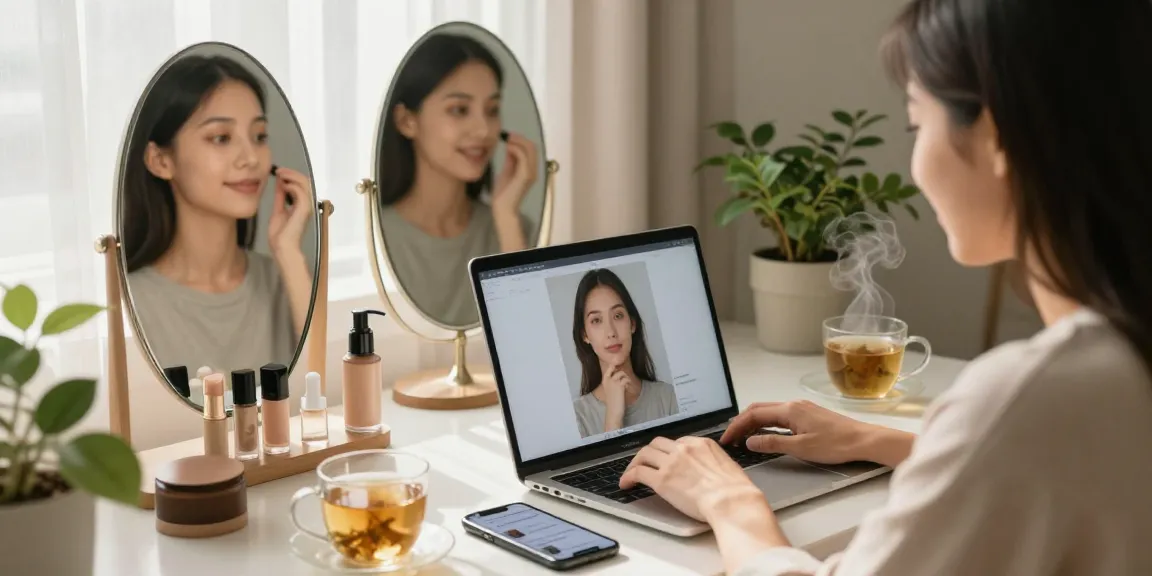
Understanding Attractiveness Metrics
Attractiveness is often quantified in various ways, combining biological, cultural, and psychological factors into a measurable score. As technology advances, the methodologies behind evaluating attractiveness have evolved, leading to the rise of AI-powered tools designed to offer insights into one’s appearance. These tools often incorporate variables such as facial symmetry, ratios, and proportions—factors that have been traditionally associated with beauty. If you're curious about your own attractiveness score, you may want to test attractiveness using one of these innovative assessments that harness the power of artificial intelligence.
What Metrics Are Used to Test Attractiveness?
Understanding attractiveness scores involves exploring various metrics that these tests use to create their rankings. Key metrics include:
- Facial Symmetry: Many studies link symmetrical features with higher levels of perceived attractiveness.
- Golden Ratio: This mathematical ratio, approximately 1.618, is often cited in art and beauty standards. It is used to evaluate facial proportions.
- Canthal Tilt: The angle of the outer corner of the eyes can significantly impact perceived attractiveness, with certain angles being deemed more favorable.
- Skin Clarity and Texture: Clear, smooth skin tends to be associated with youth and health, influencing attractiveness ratings.
How AI Influences Attractiveness Ratings
The integration of artificial intelligence in attractiveness testing has transformed how we assess beauty. By utilizing advanced algorithms, these tests analyze facial images to provide a score based on predetermined criteria. AI can assess features much like a trained human evaluator, but with the ability to quantify nuances that may go unnoticed. This objectivity can offer individuals insights into areas of their appearance that align with conventional beauty standards, thereby influencing personal grooming or style choices.
Common Misconceptions About Attractiveness Scores
Despite the growing popularity of attractiveness tests, several misconceptions persist. Many people believe that a high score equates to overall value or worth, which is not the case. Attractiveness is subjective and varies significantly across different cultures and personal preferences. Additionally, AI results can only provide a snapshot based on mathematical calculations and do not encapsulate an individual’s entire appeal.
How to Use an Attractiveness Test
Taking an attractiveness test can be a fun and enlightening experience. However, to get the most accurate results, it's crucial to understand how to effectively utilize these tools.
Step-by-Step Guide to Testing Your Attractiveness
- Select a Reputable Test: Choose an AI-powered platform known for its accuracy.
- Prepare Your Photo: Ensure that your photo is clear and well-lit, ideally taken straight on.
- Upload Your Image: Follow the platform's instructions to upload your picture securely.
- Receive Your Score: After the analysis, review your attractiveness score along with potential insights provided.
Best Practices for Photo Submission
To maximize the accuracy of your attractiveness test results, adhere to the following guidelines when submitting your photo:
- Good Lighting: Use natural light whenever possible to avoid harsh shadows.
- Neutral Background: A plain backdrop can help the AI focus on your features without distractions.
- Facial Expression: A relaxed and neutral expression may yield the most consistent results.
Interpreting Your Attractiveness Results
Once you receive your results, it's essential to interpret them thoughtfully. A score may provide insights into how certain aspects align with established beauty standards, but remember, beauty is multifaceted and subjective. Use the feedback as constructive guidance rather than a definitive judgment of your worth.
Comparative Analysis of Attractiveness Tests
As more users turn to AI for insight into attractiveness, exploring the different tests available is increasingly pertinent. Each tool has distinct features and capabilities.
Popular Attractiveness Tests on the Market
Several platforms have gained traction for providing AI-based attractiveness tests. Some notable options include:
- FaceWow: This test evaluates facial features and provides feedback on symmetry and proportions.
- PrettyScale: A popular community-driven platform that also allows for comparative analysis with different tests.
- Maxxing: Offers detailed breakdowns of factors affecting attractiveness through its scoring system.
Pros and Cons of Different Testing Methods
Each testing method has its strengths and weaknesses, which can significantly impact user experience:
- Pro: AI tests offer objective analysis based on quantifiable metrics.
- Con: They may not account for individual traits and personality, which play a vital role in attractiveness.
- Pro: Many tests are free and easily accessible online.
- Con: Variability in accuracy can exist between different platforms.
Case Studies: Real-World Applications of Attractiveness Scores
Individuals have reported using attractiveness scores to enhance their self-perception and make informed decisions regarding cosmetic changes or personal styling. In some instances, these tools have aided in building confidence, encouraging users to embrace their unique features while also highlighting areas they wish to enhance.
The Psychology Behind Attractiveness
Understanding the psychology of attractiveness provides crucial context for why these tests resonate with so many individuals.
How Perceptions of Attractiveness Affect Self-Esteem
Self-esteem is closely tied to perceived beauty standards. Attractive individuals often receive more social attention and validation, which can perpetuate healthy or unhealthy self-images. Furthermore, a low attractiveness score can negatively impact an individual's confidence, leading to self-doubt and anxiety.
The Role of Social Media in Beauty Standards
Social media platforms have reshaped how beauty is perceived and portrayed. The proliferation of filters, editing tools, and curated images creates an atmosphere where unrealistic standards often prevail. This can exacerbate the pressure to achieve high scores on attractiveness tests, leading to an unhealthy focus on appearance.
Future Trends in Attractiveness Perception and AI
As technology continues to evolve, the approach to assessing attractiveness will also change. Anticipated trends include more inclusive and diverse standards that better reflect a broader understanding of beauty. AI is likely to move towards a more holistic assessment model, integrating psychological traits, emotional intelligence, and personality into attractiveness evaluations.
Frequently Asked Questions
How can I test my attractiveness?
Attractiveness can be tested using various online tools that analyze facial images and provide a score based on scientific metrics of beauty.
Is 7 out of 10 considered attractive?
A score of 7 out of 10 is often perceived as attractive, though personal opinions on attractiveness can vary widely.
Is there an accurate attractiveness test?
While many tests claim to be accurate, results can vary by platform and method used. It’s essential to approach scores with a healthy dose of skepticism.
Is a 6.5 out of 10 attractive?
A score of 6.5 can certainly be viewed as attractive, highlighting the subjective nature of beauty.
What factors influence attractiveness ratings?
Factors influencing attractiveness ratings include facial symmetry, proportion, skin clarity, cultural standards, and individual preferences.