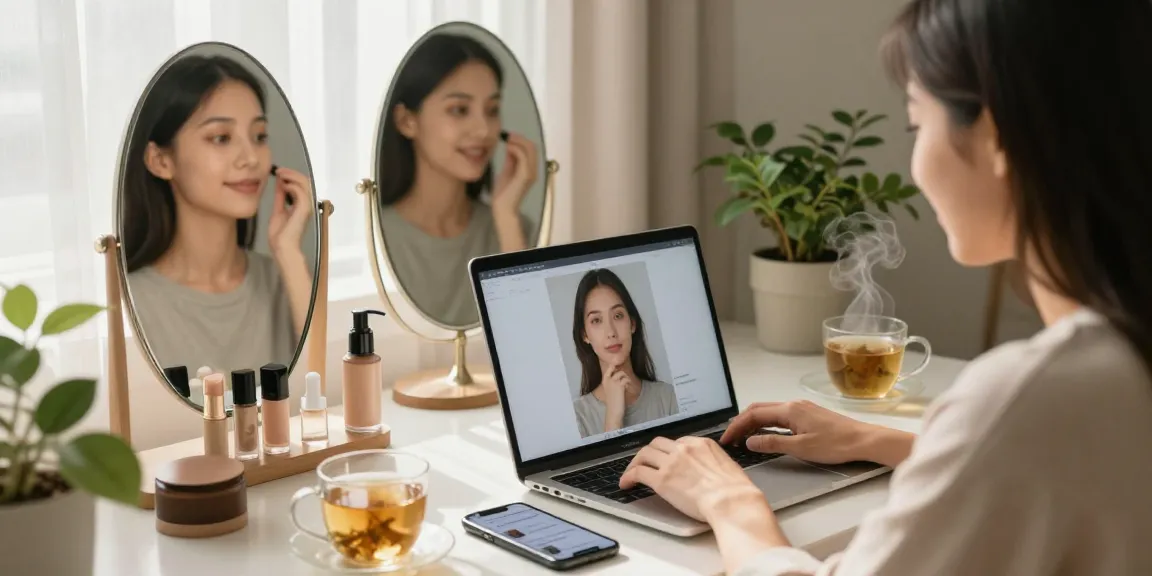
Understanding Facial Age Estimation Technology
Facial age estimation technology has rapidly evolved over the past few years, offering users an intriguing glimpse into how old they might look compared to their actual age. With the rise of artificial intelligence (AI) and machine learning, tools designed to estimate perceived age have become widely accessible. These applications not only appeal to our curiosity but also provide valuable insights into skin health and age-related concerns. When exploring options, how old do i look offers comprehensive insights into this fascinating technology.
What is Age Estimation Technology?
Age estimation technology refers to the methods and algorithms used to assess the biological age of an individual based on facial features. This technology leverages sophisticated AI models trained on a vast dataset of images to recognize patterns associated with aging. By analyzing various attributes such as skin texture, wrinkles, and facial structure, these tools can produce a fairly accurate estimate of how old a person appears.
How Does AI Analyze Facial Features?
AI-driven age estimation relies heavily on convolutional neural networks (CNNs), which are designed to process and learn from visual data. When a user uploads a photo, the algorithm dissects the image by examining key facial landmarks. These include:
- Wrinkle depth and prominence
- Skin elasticity and texture
- Presence of facial hair
- Coloration and blemishes
Once these features are analyzed, the AI compares them against a database of known age markers, allowing it to estimate the perceived age based on learned correlations between facial features and biological age.
Importance of Data Privacy in Age Estimation
As with any technology that processes personal images, data privacy is a significant concern. Users should be mindful of how their data is stored and used by these applications. Reputable platforms prioritize user privacy, ensuring that images are not stored permanently or used for other purposes without consent. Transparency regarding data handling practices is essential for building trust with users looking to engage with age estimation technologies.
How to Use Age Estimation Apps Effectively
Utilizing age estimation applications can be straightforward, but getting the most accurate results requires understanding how to use them properly. Here’s a step-by-step guide on how to maximize the effectiveness of these apps.
Step-by-Step Guide to Using How Old Do I Look Apps
- Select a Reliable App: Choose an app with a good reputation, such as those highlighted in user reviews and ratings.
- Upload a Clear Photo: Ensure the photo is clear, well-lit, and taken directly facing the camera.
- Follow the Instructions: Each app may have slightly different requirements, so follow the prompts carefully.
- Analyze the Results: Review the estimated age and consider any suggestions for skincare or lifestyle changes based on your results.
Common Mistakes to Avoid When Uploading Photos
To ensure accuracy, avoid these common pitfalls:
- Poor Lighting: Natural light is best; harsh shadows can distort facial features.
- Low-Resolution Images: Use high-quality images to help the AI analyze features accurately.
- Facial Expressions: A neutral expression yields better results than overly exaggerated emotions.
Tips for Optimal Photo Conditions
To achieve the best results when using an age estimation app, consider the following tips:
- Use a plain background to avoid distractions.
- Keep the camera at eye level.
- Ensure the face is fully visible, including ears and hairline.
Factors Influencing Perceived Age
Numerous elements can influence the perceived age of a person as assessed by AI. Understanding these factors can help users interpret their results more holistically.
Skin Condition and Its Role in Age Prediction
The condition of one’s skin plays a pivotal role in age estimation. Factors such as hydration, elasticity, and the presence of age spots significantly affect how old someone looks. Regular skincare routines and treatments can improve skin health, potentially resulting in a younger appearance.
The Impact of Lighting and Angles
Lighting can dramatically alter the appearance of facial features. Bright, natural light tends to show skin texture more accurately, whereas dim or colored lighting can obscure details. Also, the angle at which a photo is taken can accentuate or minimize features that influence perceived age.
Cultural Differences in Age Perception
Perceptions of age can vary greatly across different cultures. While some cultures value youthfulness, others may place a higher regard on maturity and wisdom. Hence, age estimation tools might interpret certain features differently depending on cultural contexts, which can affect perceived age outcomes.
Benefits of Knowing Your Perceived Age
Understanding the age estimated by AI applications can bring several benefits, ranging from personal insights to enhanced self-confidence.
Enhancing Self-Confidence and Personal Branding
For many, knowing one’s perceived age can boost self-esteem and inform choices about grooming and fashion. It can empower individuals to adjust personal branding strategies, ensuring they present themselves in a manner that aligns with their personal or professional aspirations.
Using Age Insights for Skincare and Health Decisions
Insights gained from age estimation can guide users in their skincare routines. For example, if an app suggests an older perceived age, users might choose to invest in anti-aging products or treatments. This proactive approach can lead to improved skin health and overall well-being.
Understanding Trends in Age Perception
Being aware of how others perceive age can also provide insights into societal trends. As aging perceptions evolve, individuals can adapt their lifestyle choices to align with contemporary standards or counteract negative stereotypes about aging.
Future Trends in Age Estimation Technology
The field of age estimation technology is continuously evolving, and several trends are emerging that may shape its future.
Emerging Technologies in Facial Recognition
Advancements in facial recognition technology will likely enhance the accuracy of age estimation tools. Improved AI models will be able to analyze subtle nuances in facial features, leading to more precise age assessments.
Potential Applications Beyond Age Estimation
Future applications of age estimation technology could extend beyond mere curiosity. Industries such as marketing could utilize these insights to tailor products and services to specific age groups, leading to more effective advertising strategies.
Predictions for 2026 and Beyond
By 2026, age estimation technology is expected to integrate more seamlessly with other health-focused applications, providing users with comprehensive health insights beyond just age prediction. This could include suggestions for lifestyle changes based on perceived age and skin health.
How Accurate Are AI Estimates Compared to Human Perception?
While AI can provide a quick estimate of perceived age, studies have shown that human perception can be more nuanced. Factors such as personality and individual context can influence how age is perceived, which AI may not fully capture. Nonetheless, AI tools are getting increasingly sophisticated and can offer valuable baselines for users.
Can These Apps Provide Insights into Lifestyle Changes?
Yes, age estimation apps can yield insights that prompt users to reconsider their lifestyle choices, particularly in terms of skincare, nutrition, and overall health. These insights can inspire users to adopt healthier habits that may contribute to a more youthful appearance.
Are There Ethical Concerns Regarding Age Estimation Technology?
As with any technology involving personal data, ethical concerns exist. The potential for misuse of images and the accuracy of the data presented are issues that must be addressed. It's crucial for developers to prioritize ethical standards and transparency with users.
What Are the Reliability Factors for Different Apps?
The reliability of age estimation apps can vary based on several factors, including the algorithms used, the quality of the training data, and how frequently the models are updated. Users should look for apps backed by reputable research and positive user testimonials.
Will These Technologies Evolve with Advances in AI?
As AI technology continues to improve, we can expect age estimation tools to become more sophisticated, providing more reliable and accurate insights. Future iterations may even offer personalized skincare recommendations based on perceived age.